
Spinal Tap: Tapping Dr. Jessica’s Expertise on Spinal Wellness

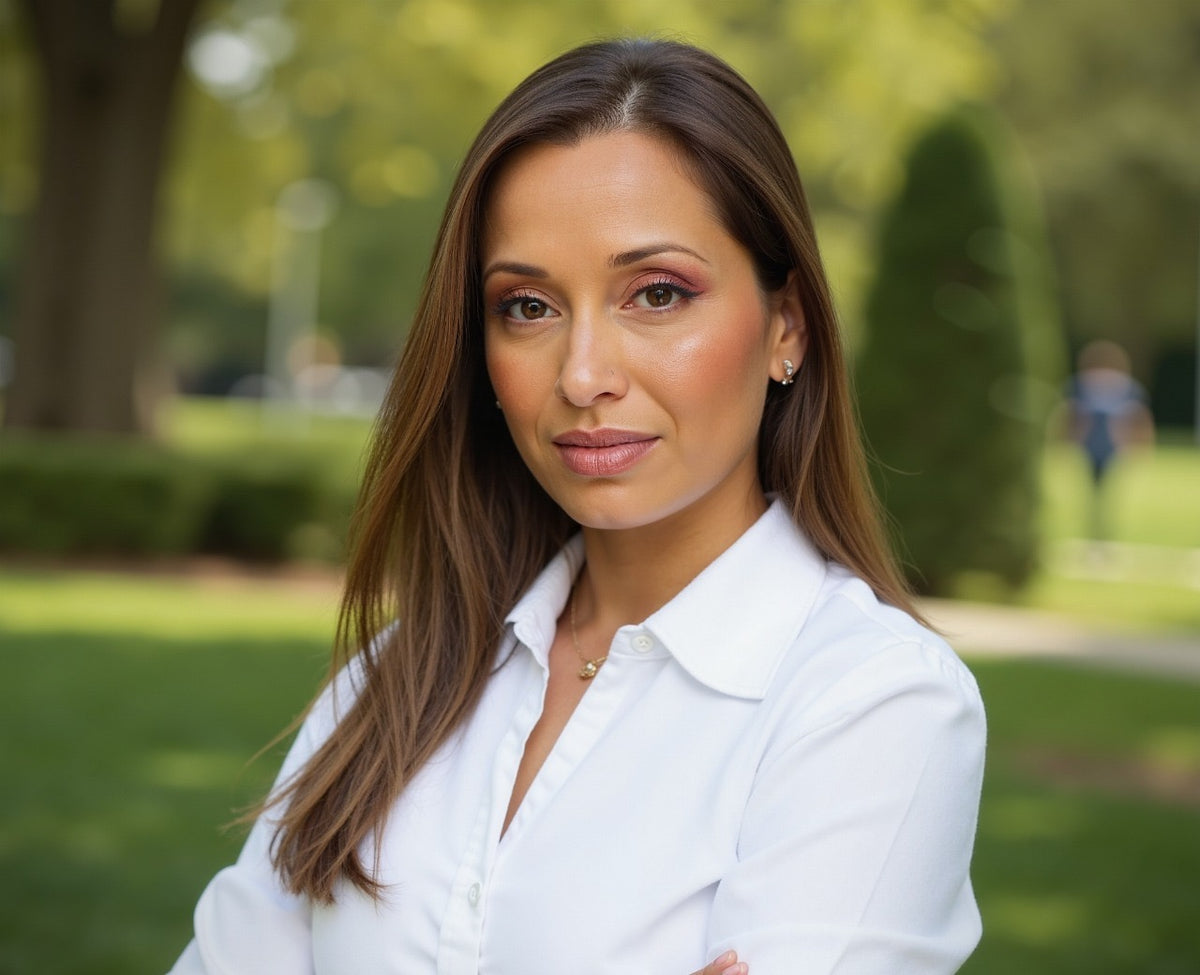
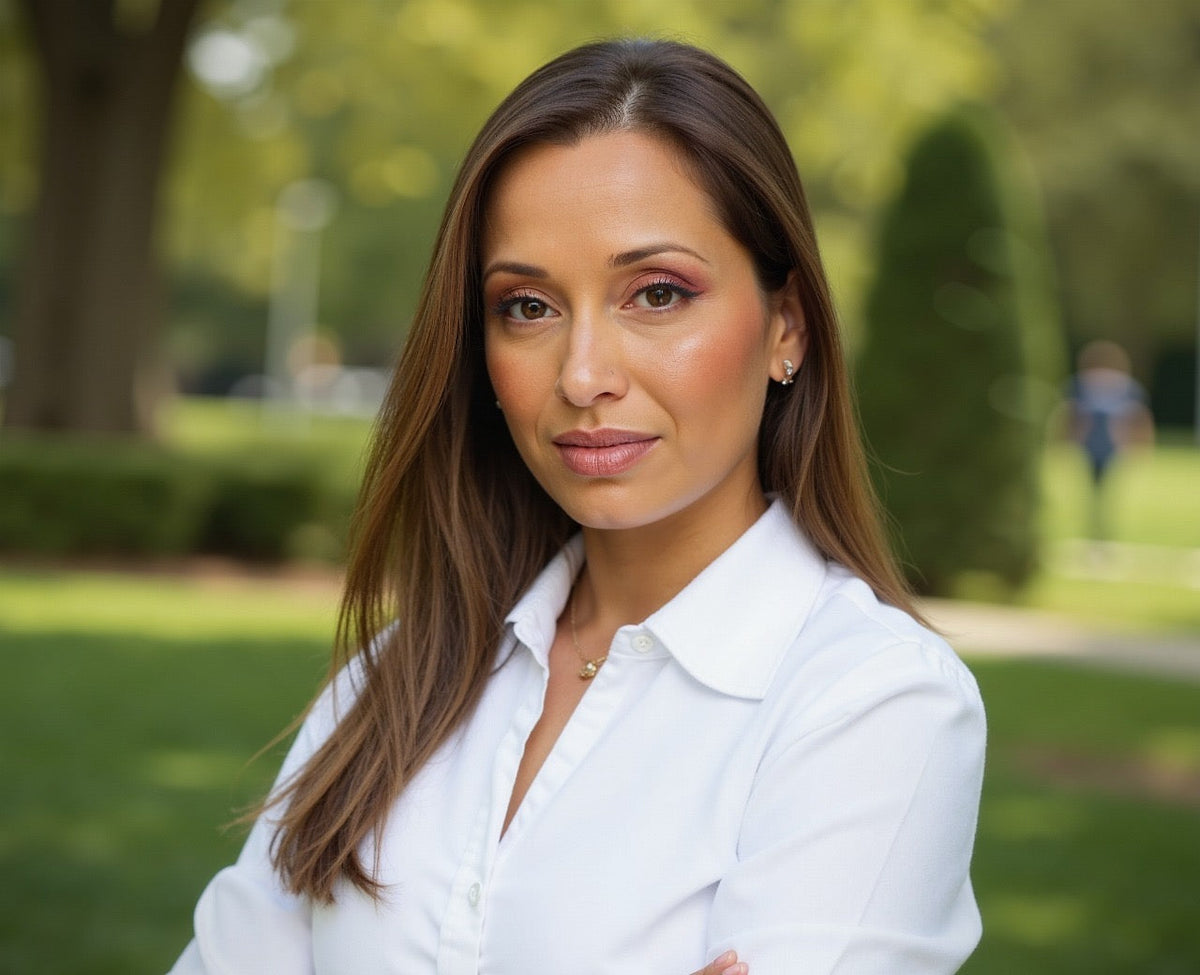
Dr. Jessica Aidlen, MD, Chief of Spine Surgery at Newton‑Wellesley Hospital (Mass General Brigham) and Medical Director of the NWH Spine Center, doesn’t fit the stereotype of a spine surgeon—and she’s fine with that. She’s an athlete, a mom, and a lover of great shoes who happens to specialize in minimally invasive spine surgery, and, whenever possible, keeps people out of the operating room altogether. With deep expertise in spinal health, biomechanics, and how our feet act as our foundation, she’s passionate about caring for the body from the ground up. In this conversation, she shares why prevention is non‑negotiable, how modern spine surgery has evolved, and why investing in supportive footwear may be one of the smartest things you can do for your back—especially when you only get one pair of feet.
When did you decide to become a doctor?
I knew from a young age that I wanted to be a doctor; I knew I wanted to help people. There were no physicians in my family, but I naturally gravitated toward the sciences in school, and was deeply motivated to make an impact on people’s lives.
Athletics were also a defining part of my upbringing. I played competitive sports throughout my childhood and in college, and it was during high school that a pivotal influence emerged. My soccer coach’s husband was an orthopedic surgeon, and through him I was introduced to a world that immediately resonated with me. He welcomed my curiosity in a way that was remarkably generous—inviting me into his clinic and even allowing me to observe in the operating room. Experiencing surgery firsthand at such a formative stage felt both exhilarating and intuitive; it was the first time I could truly envision myself in that role.
As I began to consider orthopedic surgery more seriously through college and medical school, I was met with the familiar chorus of doubt—that it was a field defined by physicality, dominated by men, and not a typical path for someone like me. I kept coming back to it, listening to my own inner voice. I was drawn to the opportunity to restore function and mobility in a direct, meaningful way. That early sense of alignment ultimately shaped the path I chose to pursue.

Why spinal surgery?
Spine surgery is both an art and a science. I love the challenge of the varied complexity of cases and decision-making skills that are required. I am able to care for people of many ages - from young athletes to older adults. And to have the opportunity to evolve with innovation and offer less invasive procedures, minimizing the impact, and helping patients recover faster and stronger, is rewarding.
The more ironic question would be, what other career path might I have chosen... I often get asked, “What would you have done if you weren't a surgeon, or in medicine?” I always say I would have been a fashion or shoe designer. Intuitively, I felt shoes held the keys to many things. It’s probably why I have so enjoyed seeing the Scarlett Chase line develop, and seeing your passion also for the art and the science of wellness, Sandra.
As a spinal surgeon, you could choose to remain casually dressed. Why do you choose to dress up?
I get a lot of comments like, “Well, you don't look like an orthopedic surgeon” - probably mainly because I am a woman - but also because I like fashion, and I like to wear high heels. I've always loved that concept of dressing the part. I'm a professional woman, and I want to dress like that. We can all be driven, talented, helpful to others, AND put together.
My patients often joke with me about my shoes, because they know I'm always wearing heels in the clinic, and when I come to the pre-op surgery area they’ll say, “Where are your heels?!”. Of course, I’m wearing scrubs and my surgical clogs. And interestingly, the clogs are as bad as heels, with no arch support and nothing to stop my back from hurting. Which is why I love your insoles so much, Sandra.
While I like fashion, I also want to be comfortable, and most of all, I know the importance of orthopedically friendly things that aren't hurting our feet, backs, knees, or hips. As I’ve gotten older, and I've practiced now as a spine surgeon for over 15 years, I have had so many moments of, “My feet are killing me.”
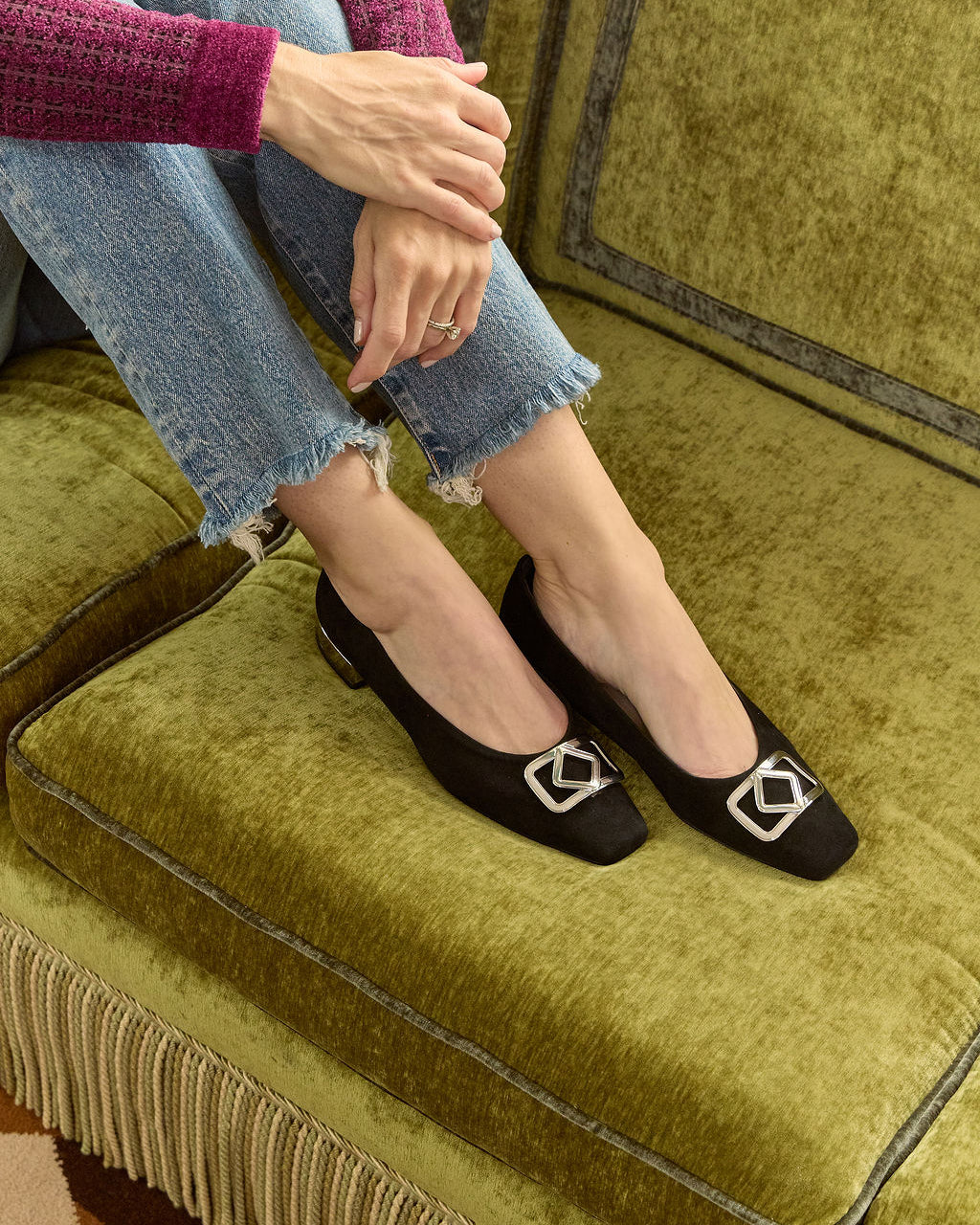
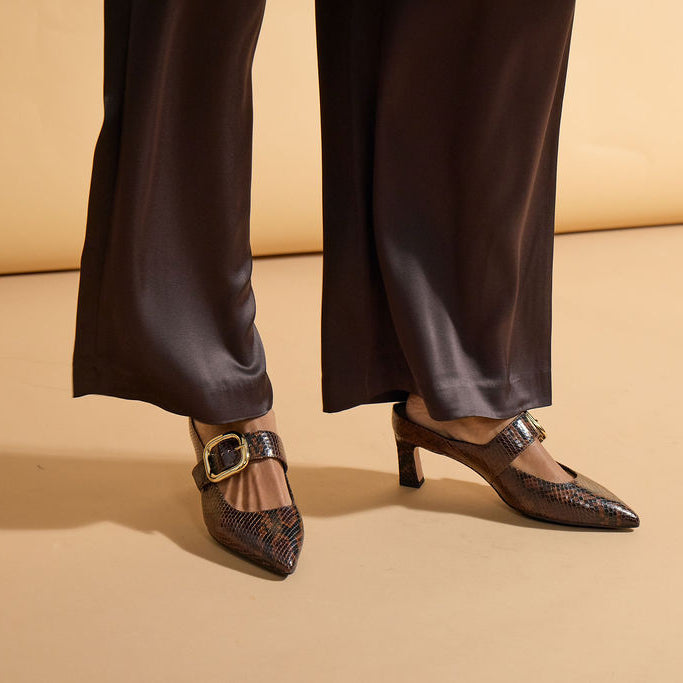
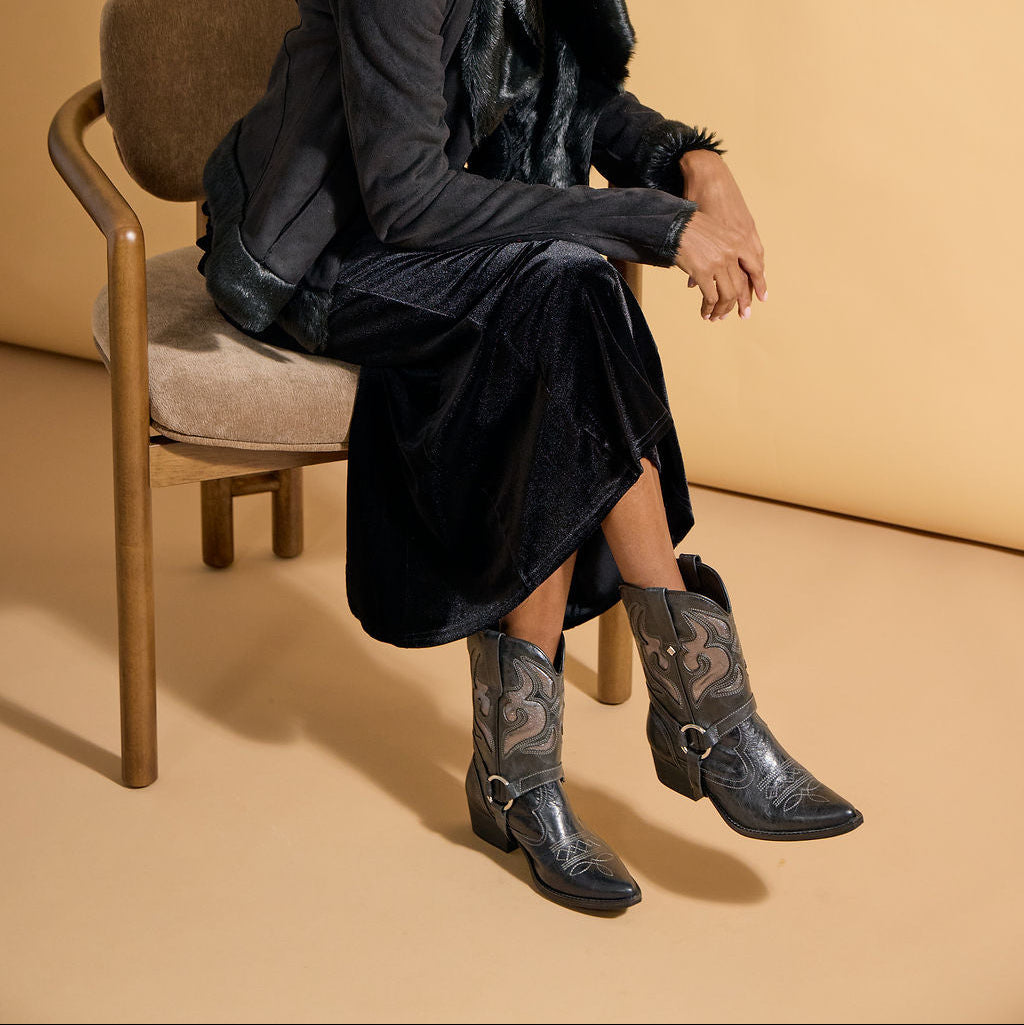
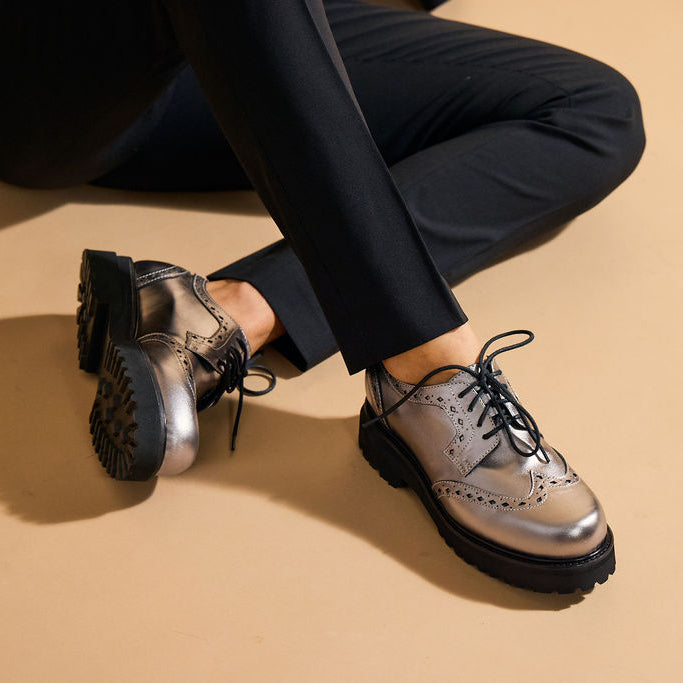
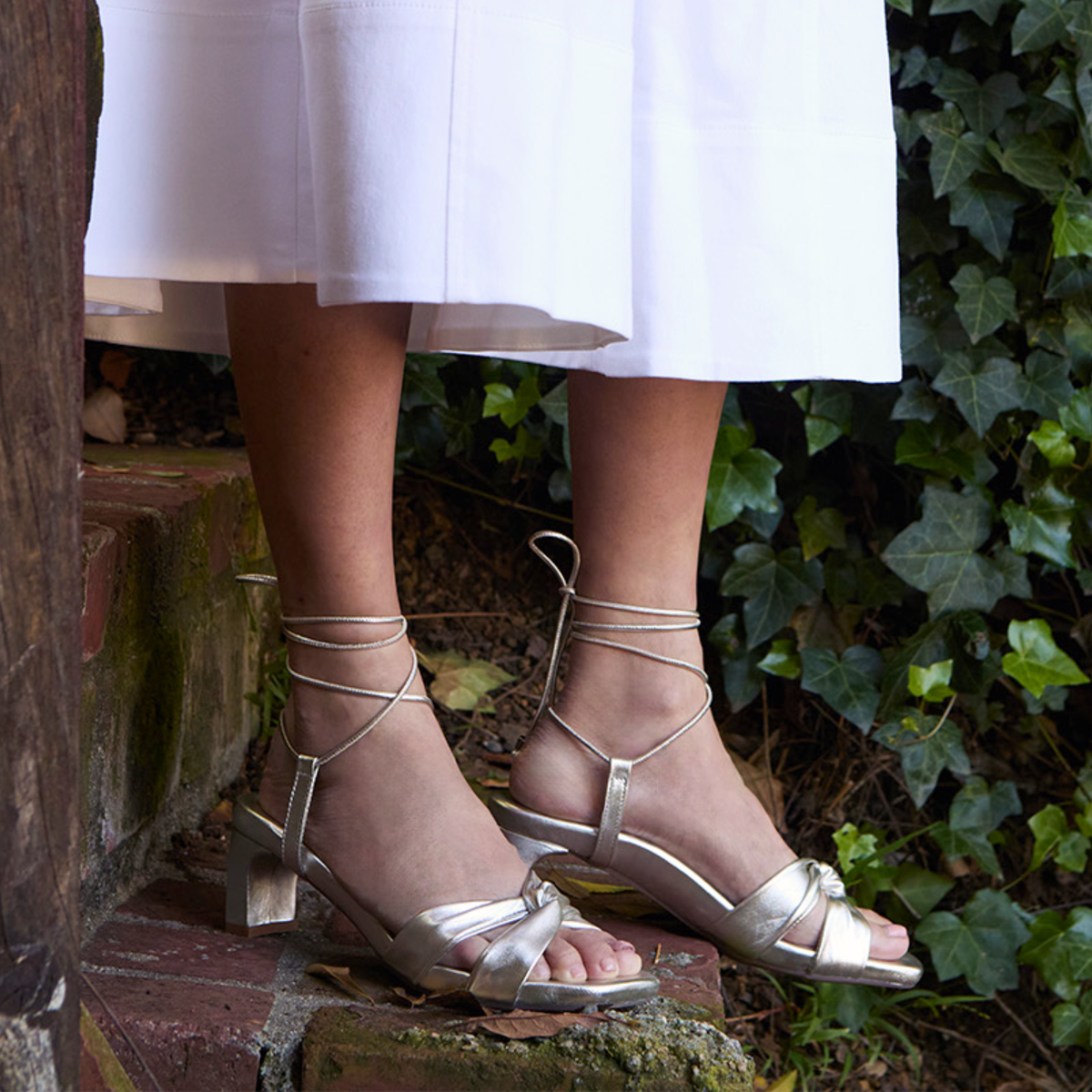
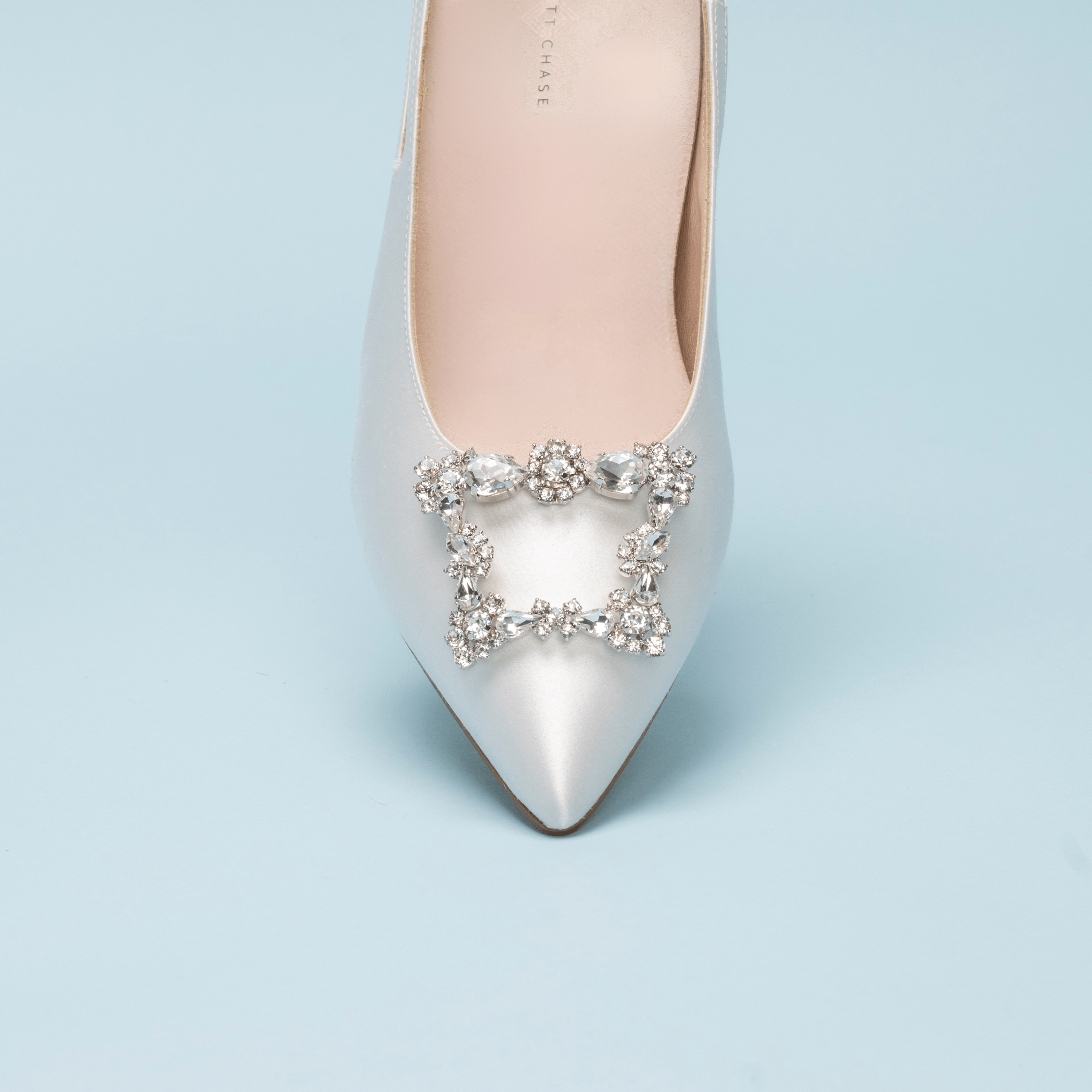
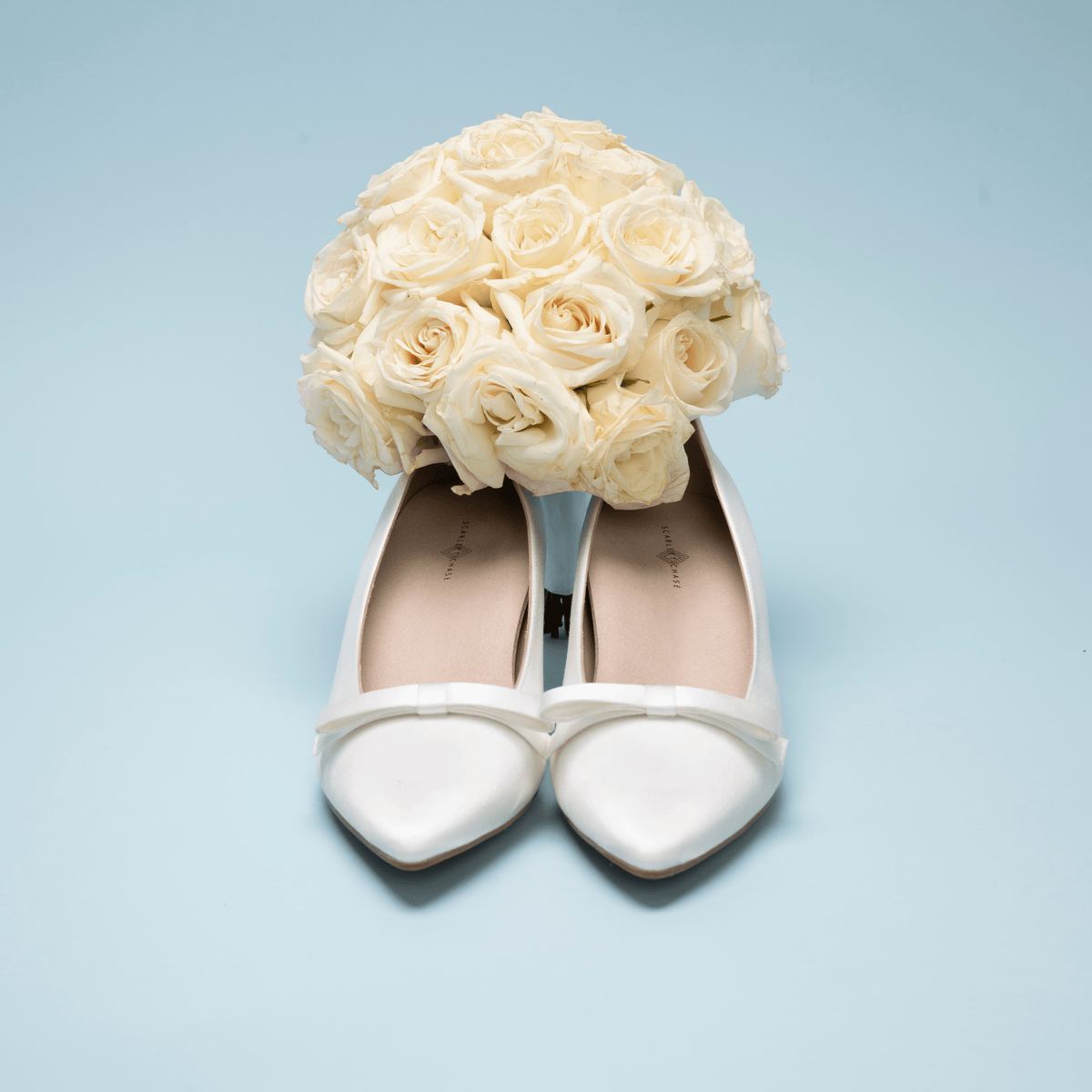
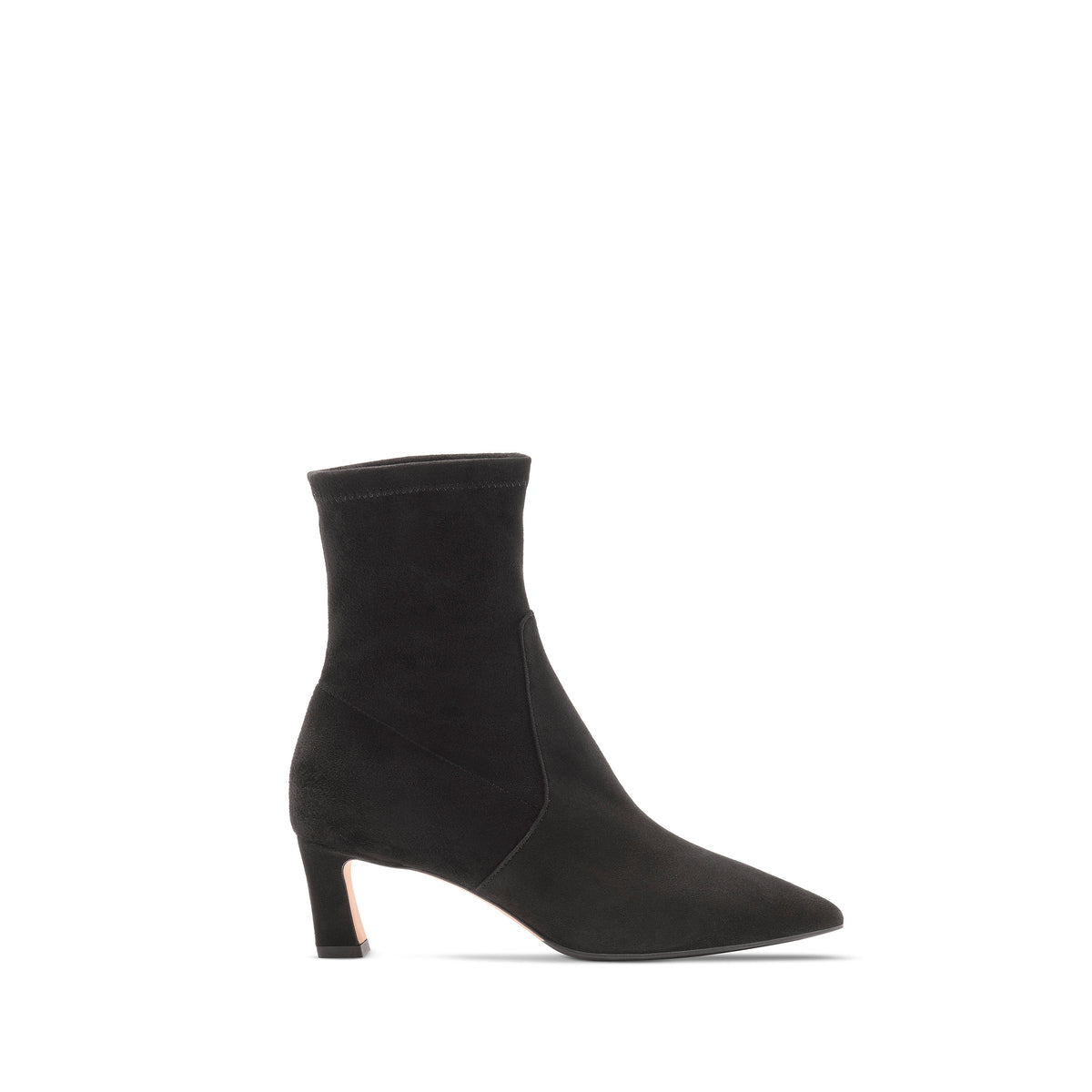
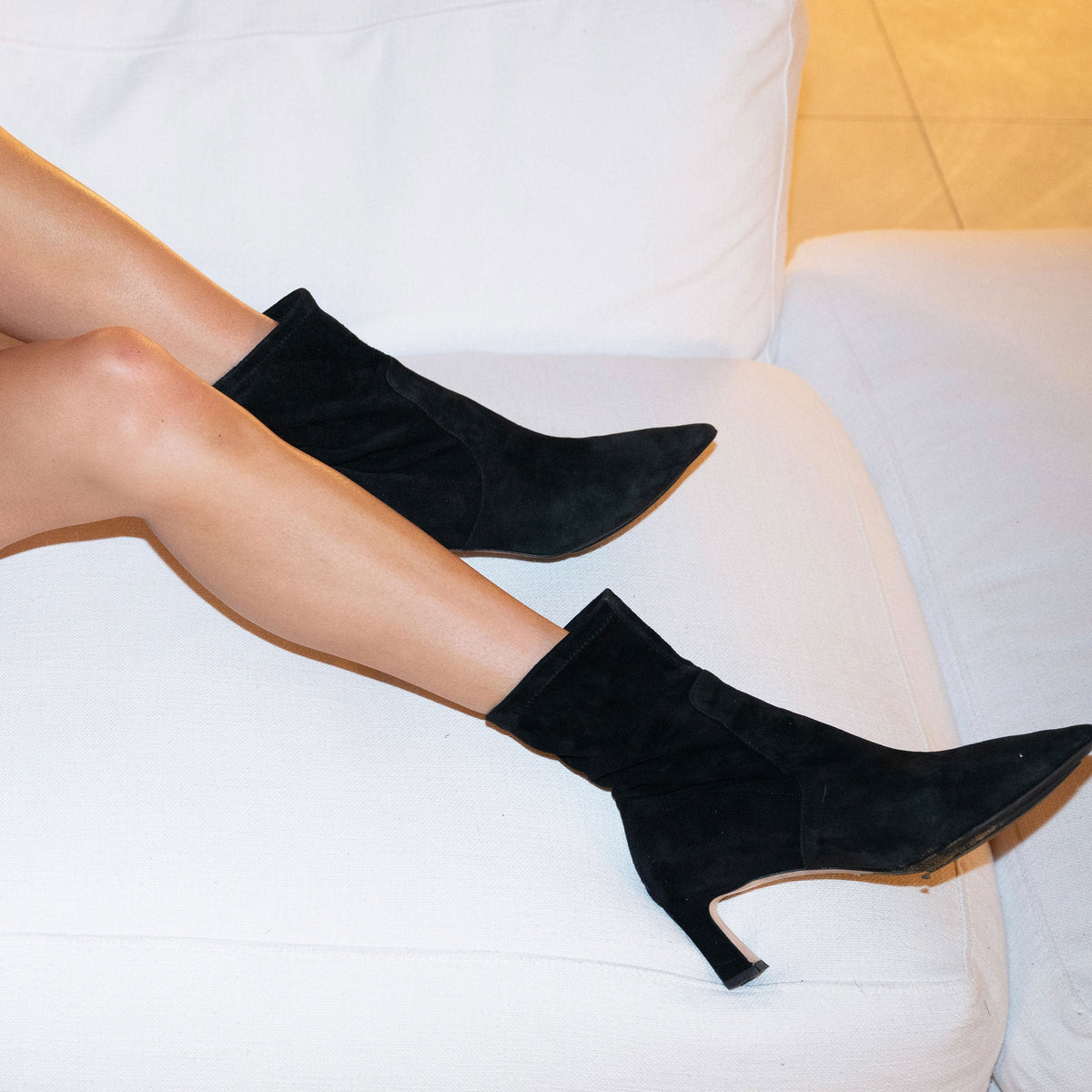
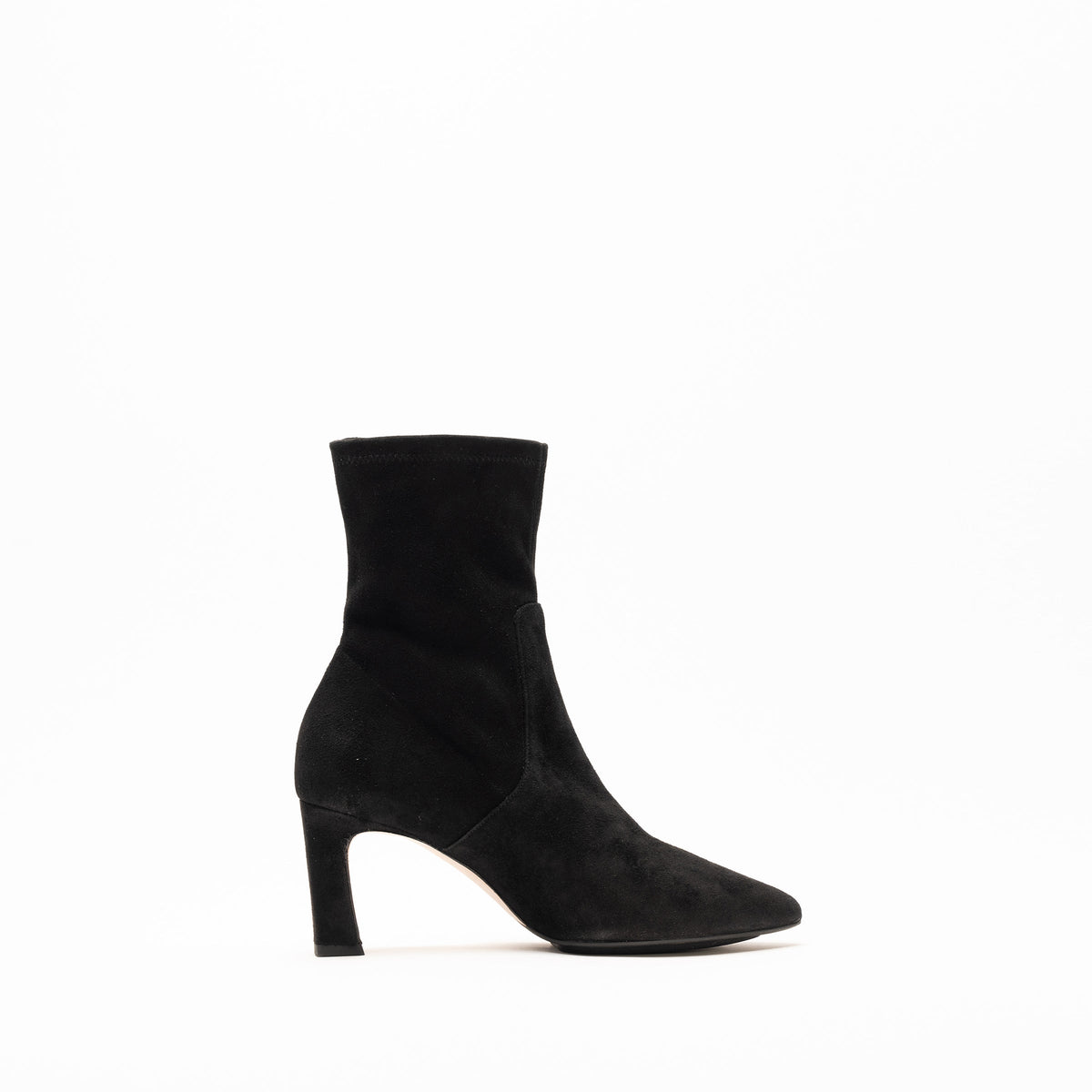
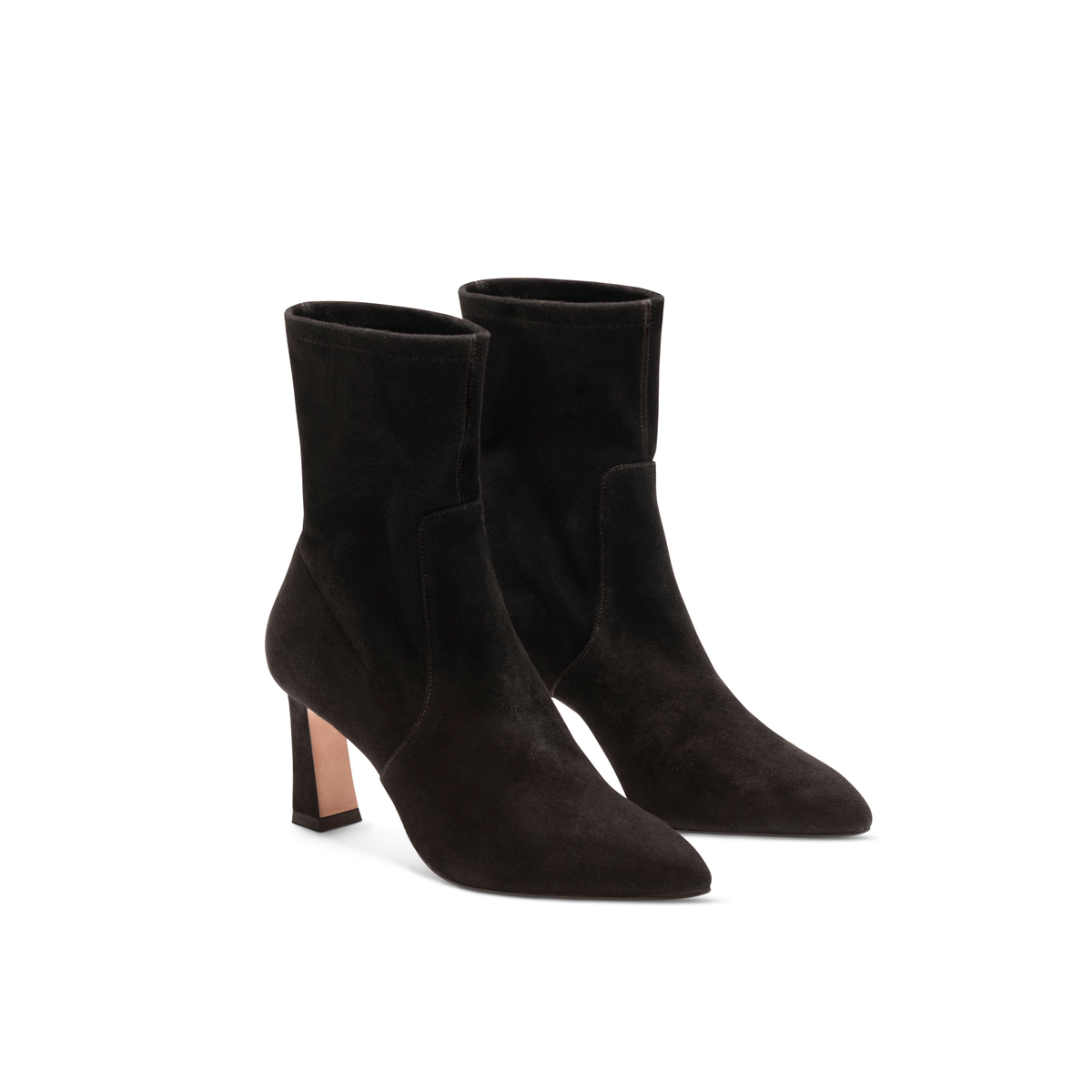
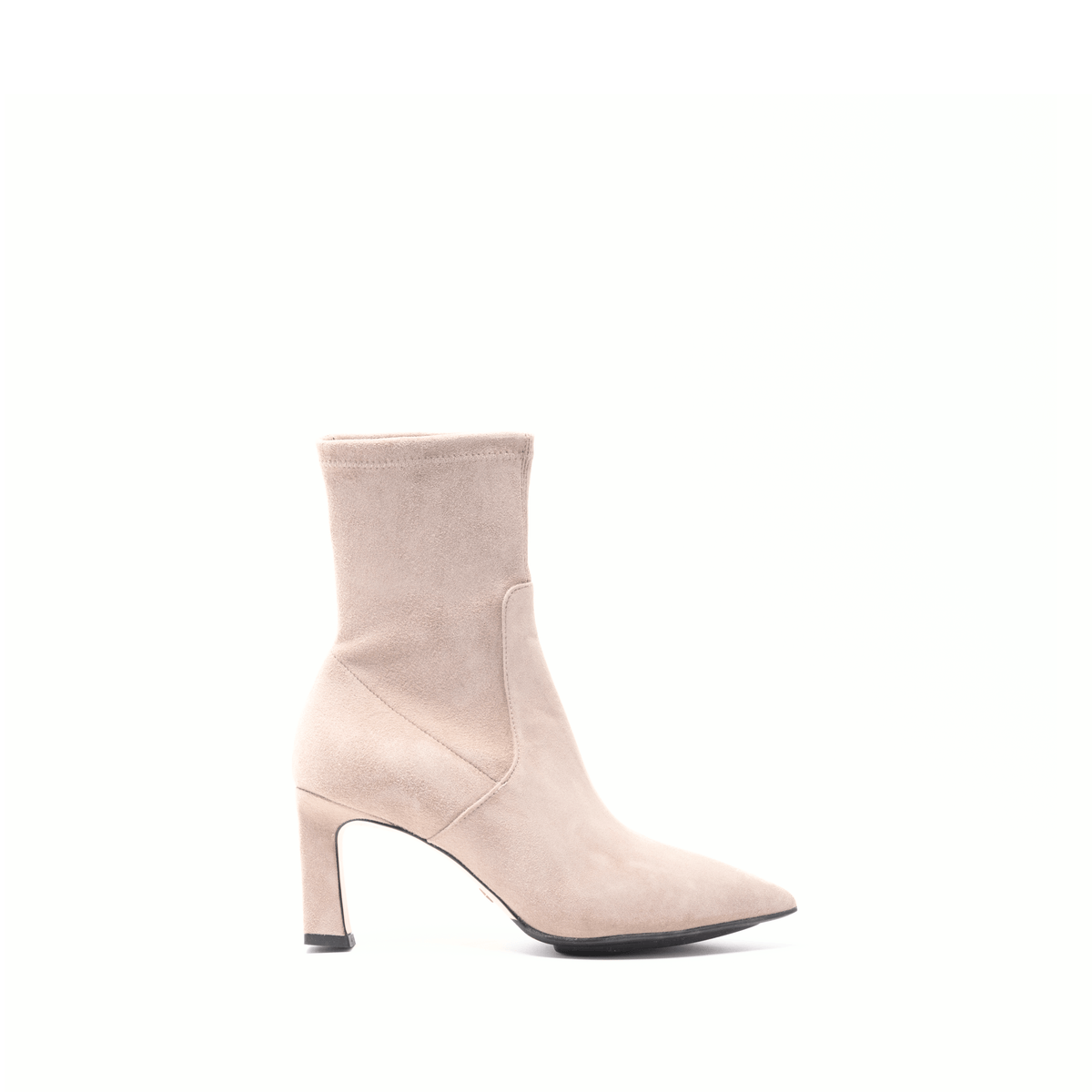
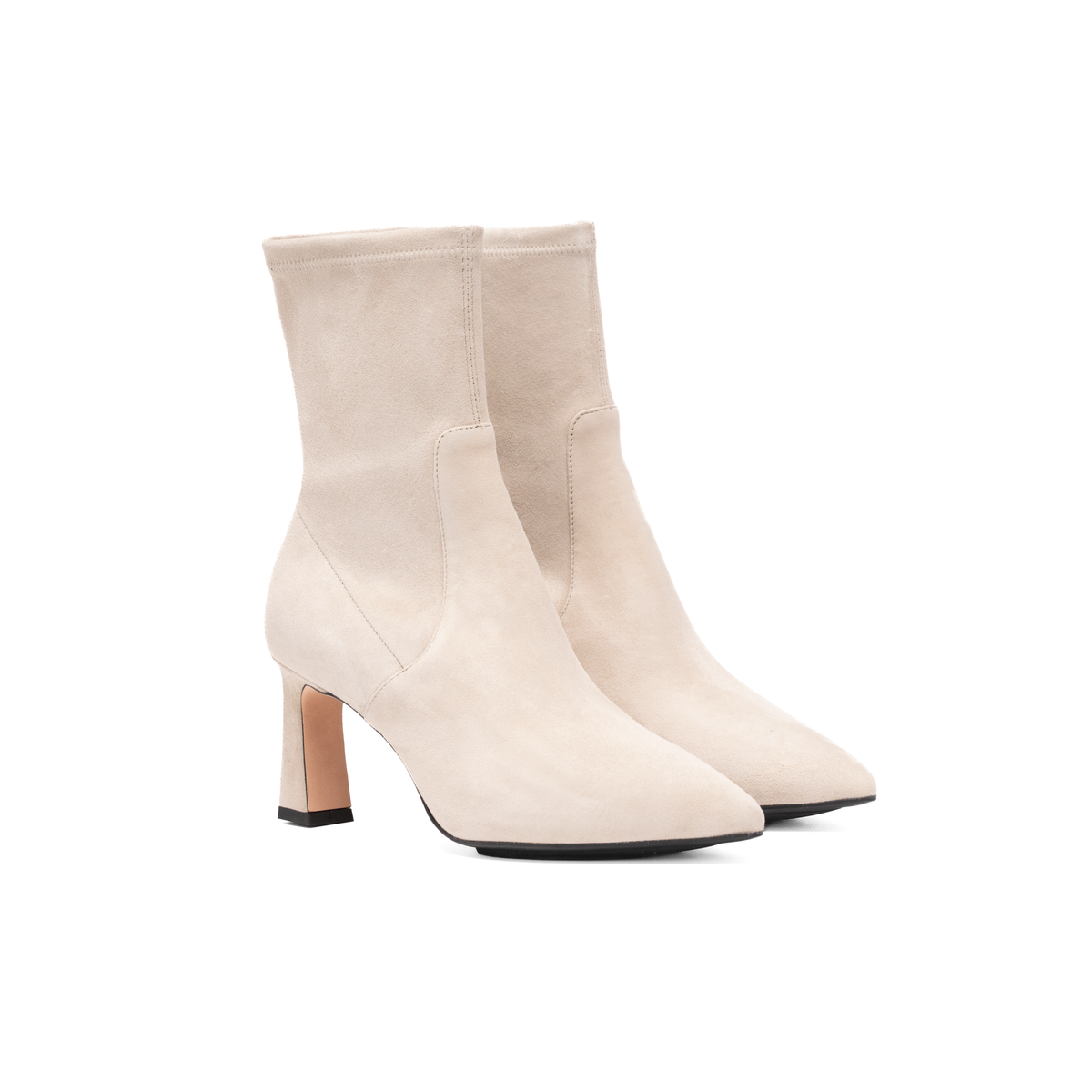
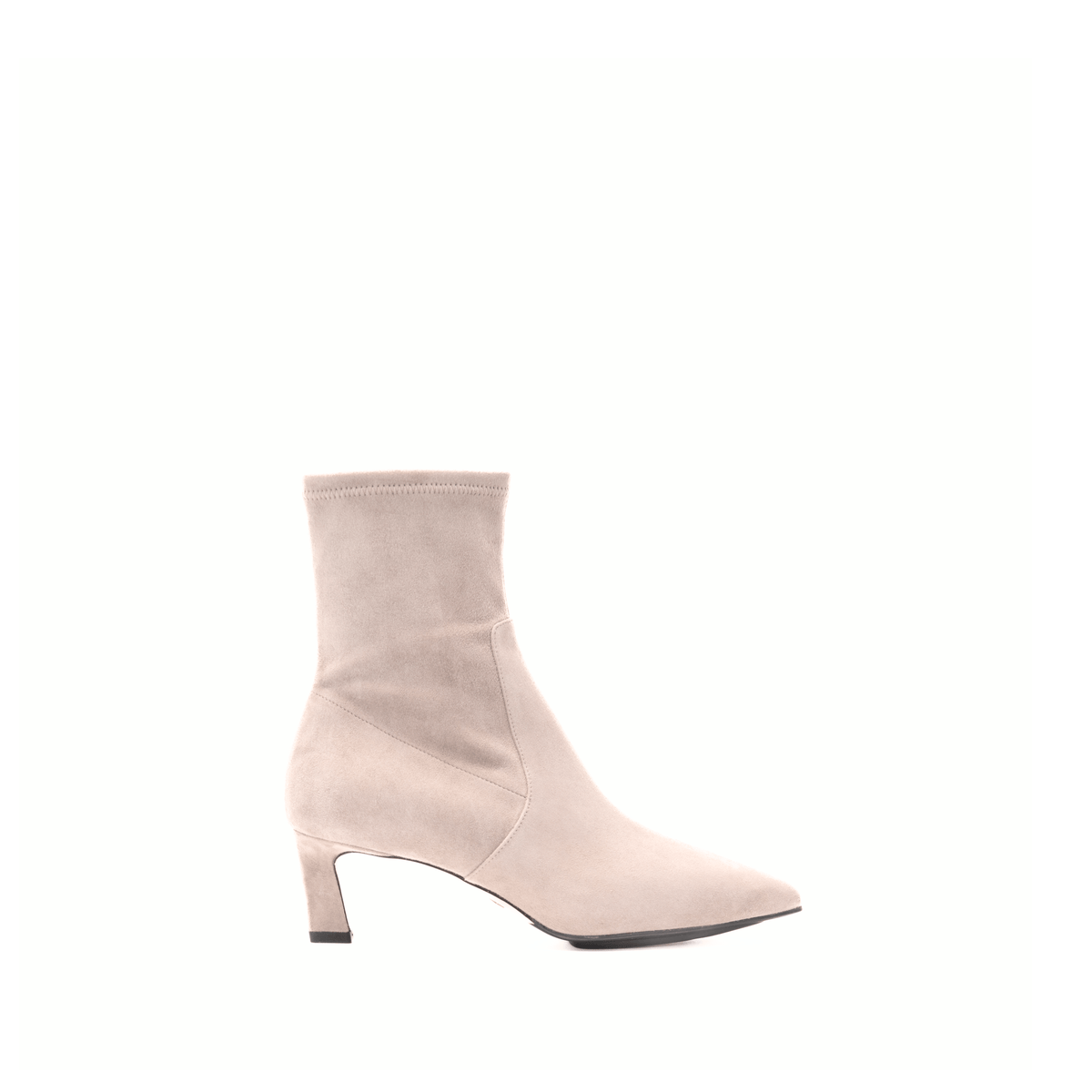
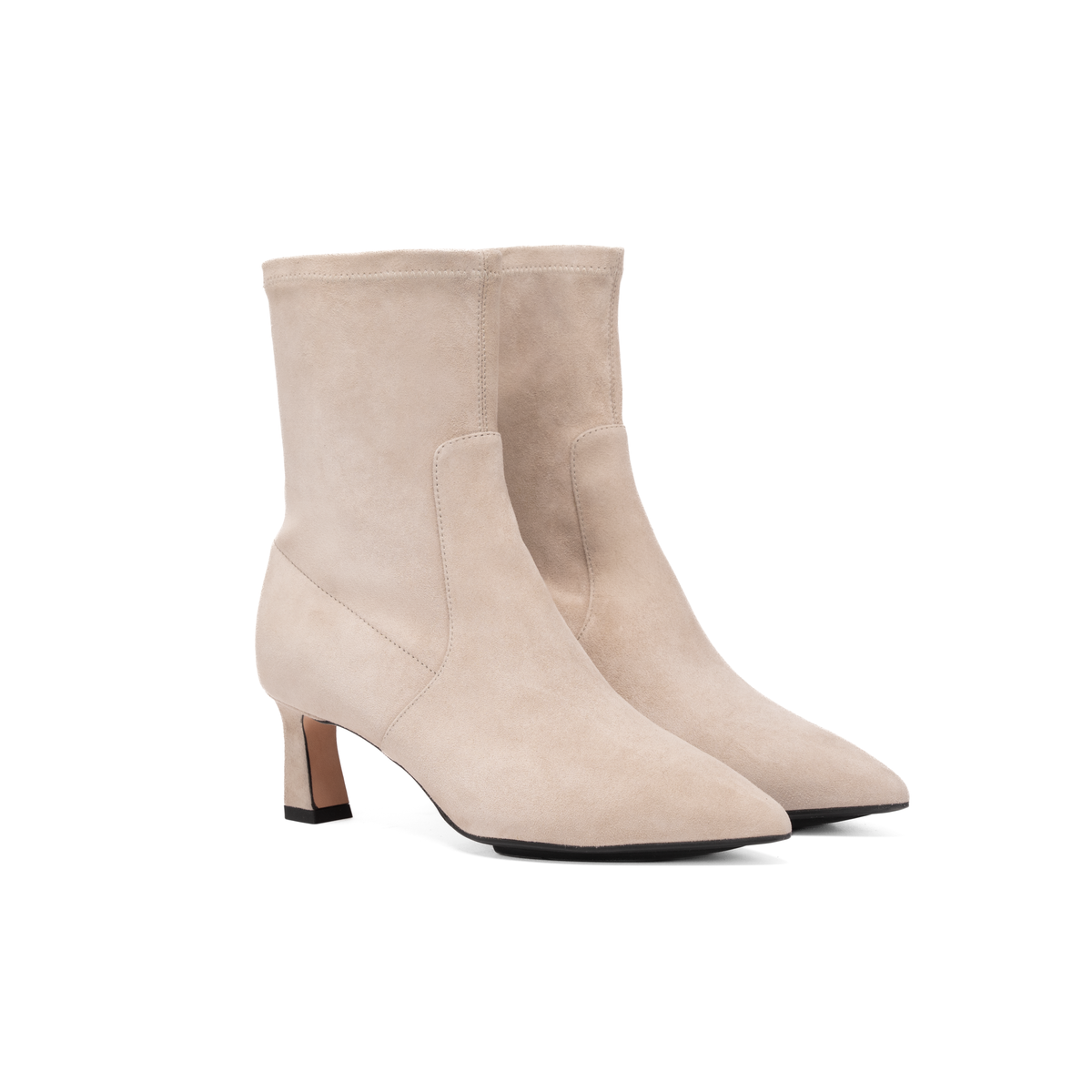
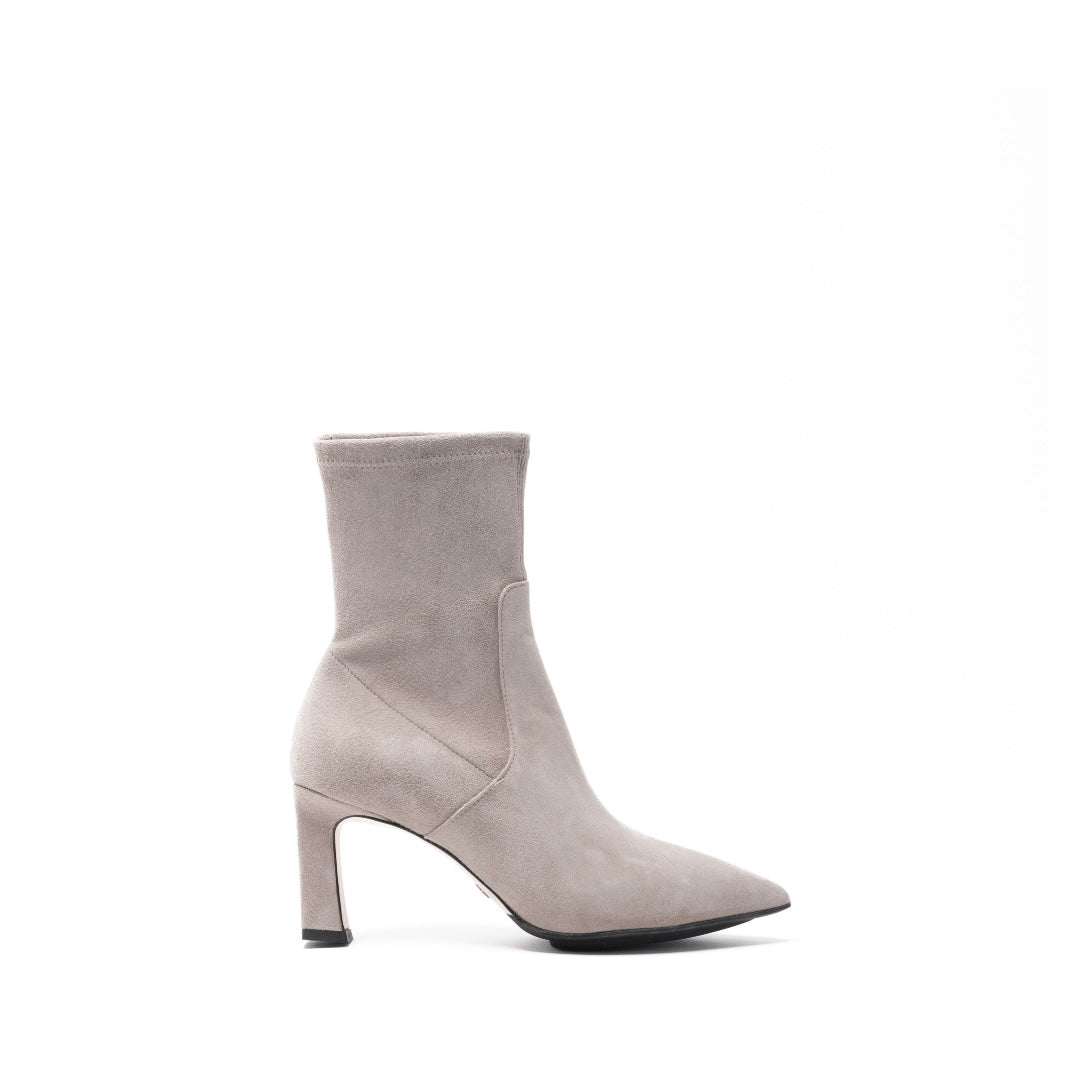
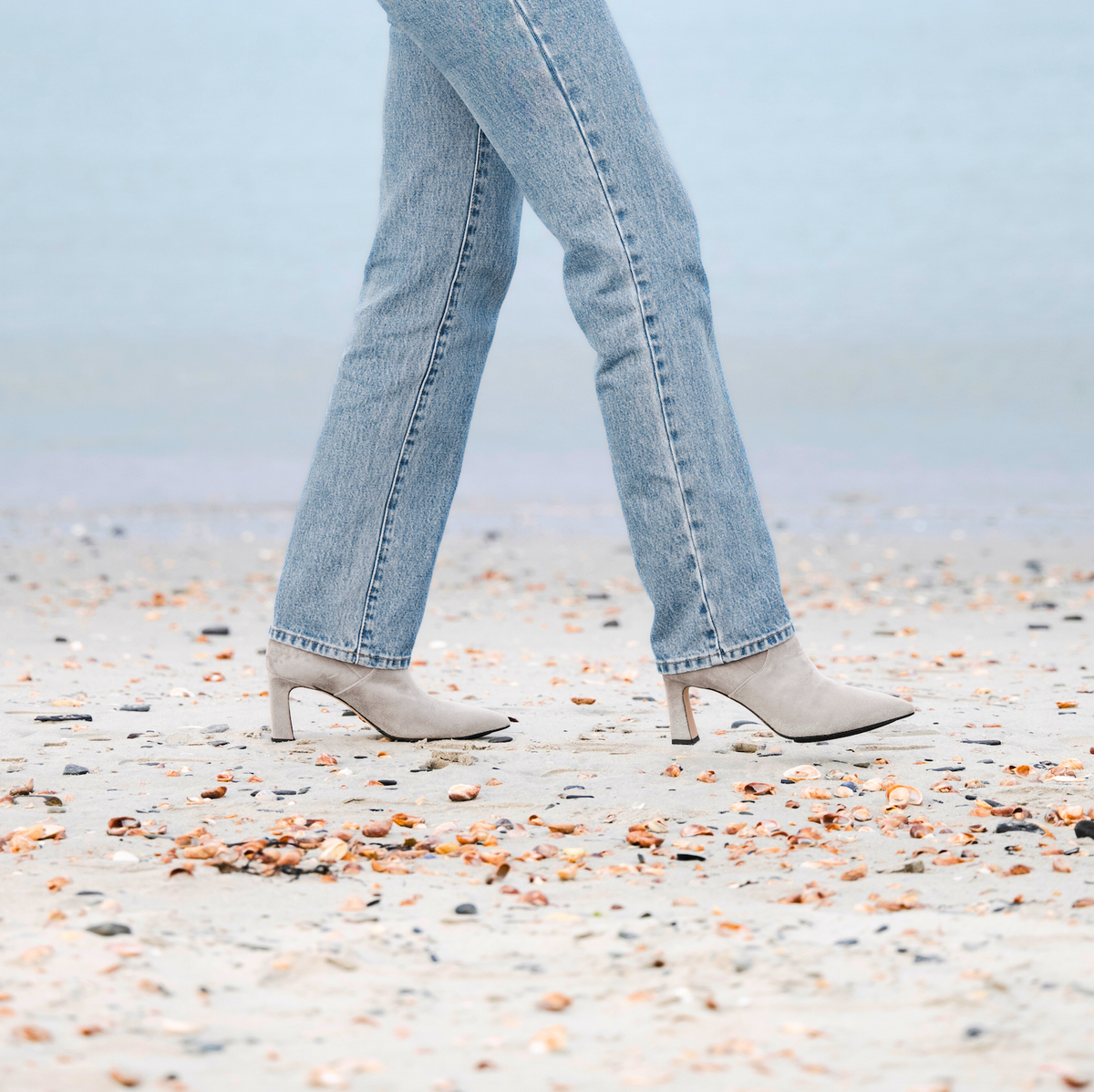
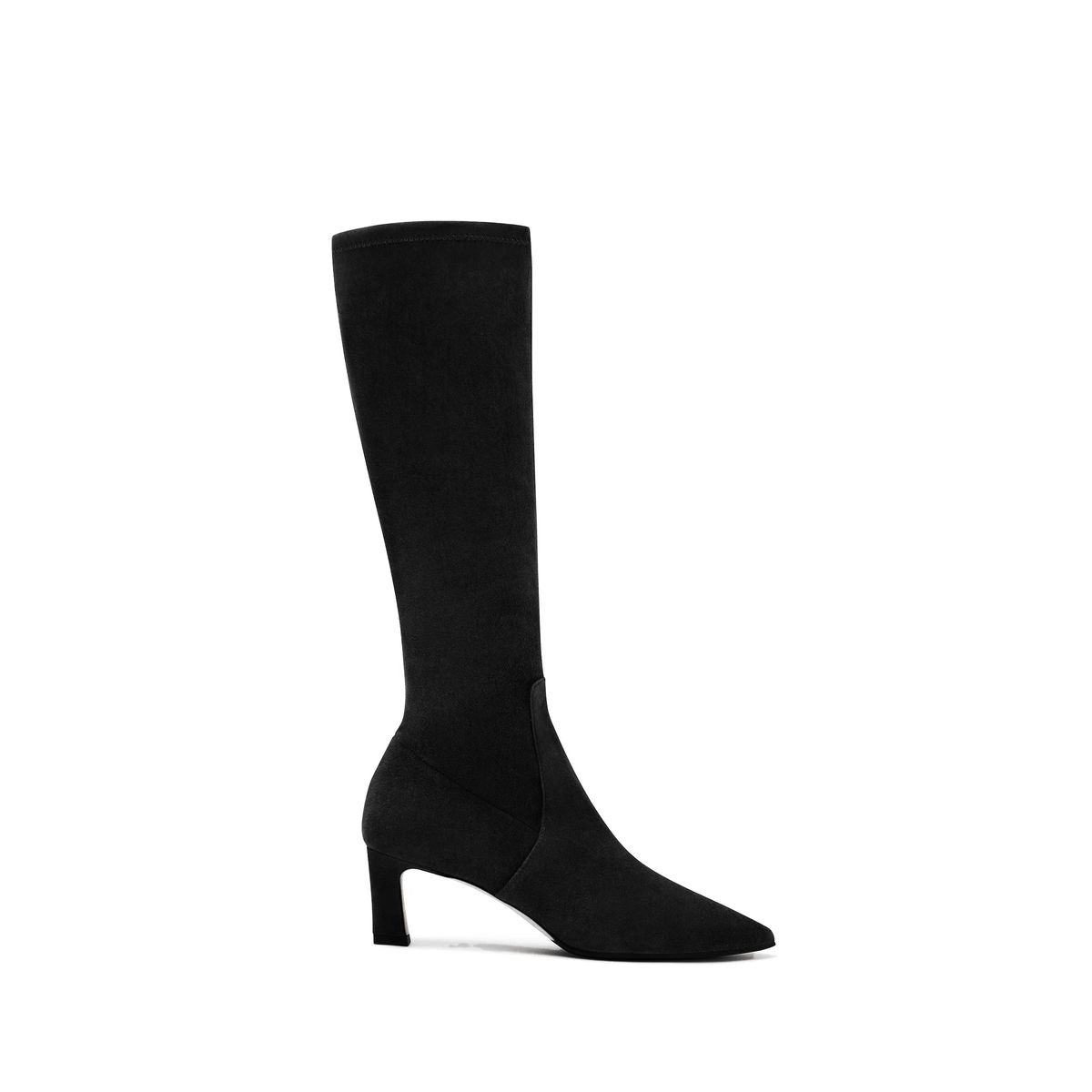
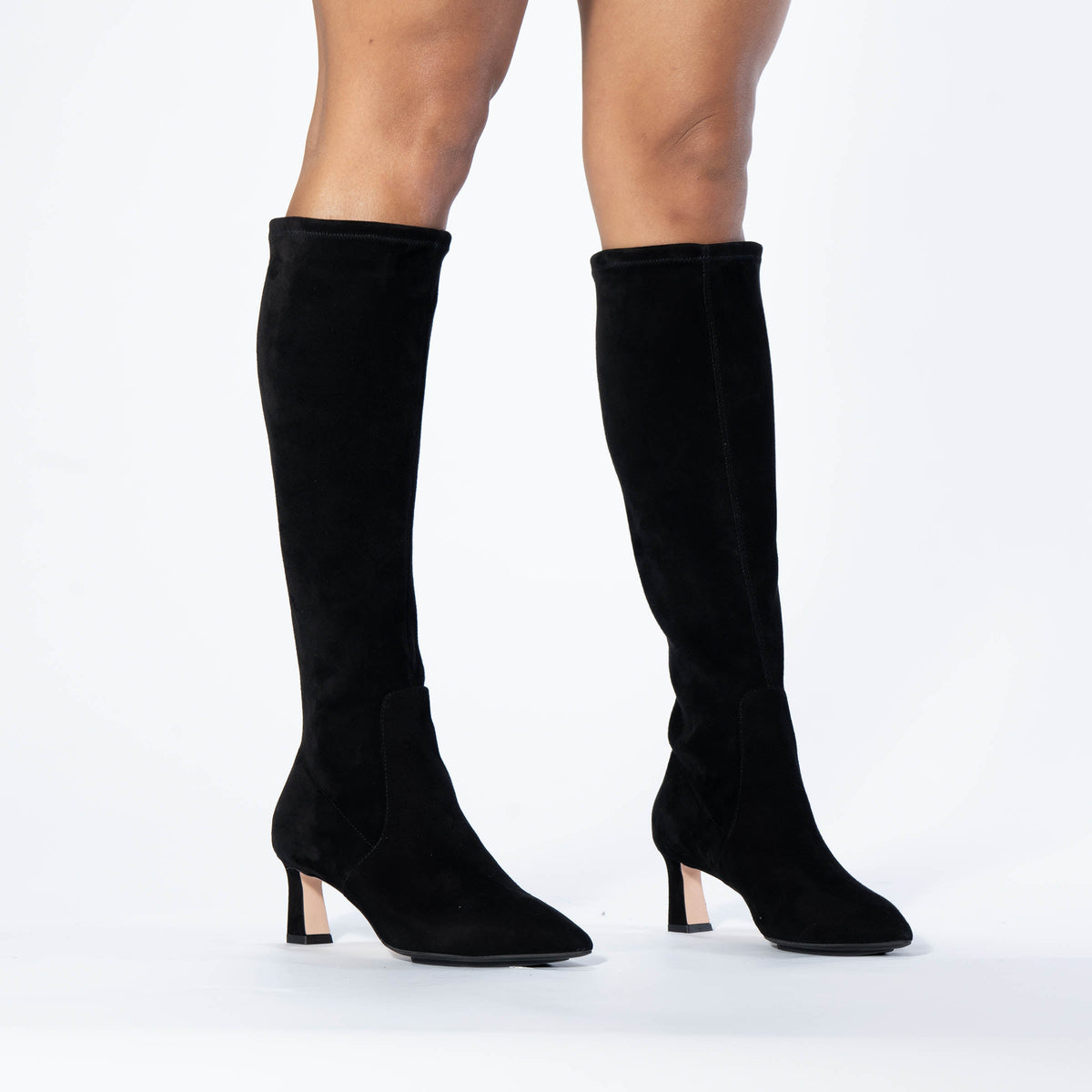
So, when I found Scarlett Chase and tried these shoes on, I thought this was the best concept ever. The importance of foot alignment, gait health, and having the support in your footwear that allows you to move through your day supported and focused, cannot be underestimated. As a spine specialist, it really is about keeping our bodies healthy and strong, vibrant and agile, throughout our lives. What we do and what we wear—it all matters.

How important is biomechanics in footwear?
This notion of biomechanics is crucially important. People make the mistake of thinking comfort is the right word, and while we all want to be comfortable, having the right support so that you are properly aligned is key. Like a performance running sneaker, or a properly fitting ski boot, the right solution that truly cradles your foot and changes the pitch while providing arch support is quite literally the foundation of wellbeing.
It seems so basic, but women's natural inclination is to choose flats with zero support, which is actually worse because it does not leave your foot in the right alignment, and the forces are translated poorly across your joints. It becomes a kind of overuse injury. If you’re compensating for a flat foot, or both feet are flat, those poorly directed forces hit every joint—day after day, hour after hour—in bad shoes. That’s when you see chronic bursitis, back pain, “mystery” aches.
I tell my patients all the time that the feet are truly our foundation, and I do not overlook evaluating this “base” as a possible root cause of back pain. If you have poor footwear or foot problems, it really does translate up to your knees, your hips, your back. We know that this is so important: all of us women who wear these less than ideal shoes for years, and then we get to our mid-40s and suddenly—“I really wish I could wear shoes like that. But my back is shot, and I have a bad knee, and I can't wear these shoes.” And it's sad to hear this, because a lot of my patients are professional women who want to look good and feel good too.
How has the Spinal Surgery field changed and developed?
Things have changed a lot, even over the last 15 years. We used to do almost everything as large open operations, which meant a lot more soft‑tissue disruption. Now my practice is largely minimally invasive, including robotic and endoscopic spine surgery. Preserving muscle and soft tissue helps patients get back on their feet quickly—we rarely use back braces after surgery anymore, patients leave the hospital sometimes on the same day, and we encourage early movement and walking with very few restrictions.
I also focus on motion‑preserving procedures, like cervical and lumbar disc replacements instead of fusions when it’s safe to do so, because your spine is biomechanically designed to move. There are cases where fusion is necessary for instability, but if we can safely preserve motion, that’s always a win.
While we still have a way to go, one of the most meaningful ways the field has changed is simply the increased number of women in spine surgery. I am grateful for the opportunity to mentor, connect with, and learn from this growing community of accomplished and brilliant women.
You are unique in wanting to avoid surgery for your patients. What are the types of things that can help us all keep our spines healthy?
Ultimately, the goal is not to simply treat pain, but to build an adaptable body. When we take this comprehensive approach, surgery becomes far less necessary, and patients regain a sense of control and trust in how their body performs in daily activity. Spine health is not defined by imaging or isolated interventions - it’s the product of how the entire system functions over time. I want people to move from reactive care to proactive, durable health.

How is your time divided, and has it changed over your career?
I wear a lot more hats now than I did early in my career…I am currently the Chief of the Spine Service at Newton Wellesley MGB and am Medical Director of the Spine Center, and I've been doing this aspect for about eight years now. So I have this administrative component to my job where I'm doing leadership work, being on hospital committees, and developing strategies for our service line. I also do research and have an educational role with the residents and fellows. My clinical practice includes dedicated clinic and surgery days. Outside of spine surgery and my entrepreneurial endeavors, I do physician coaching, and also sit on the Board of a national non-profit called Good Sports, which has been a passion of mine to help drive access to sports for kids in high-need communities. I prioritize my own health and enjoy strength training, running, cycling, and yoga. Most importantly, I am a mom to two incredible kids and love spending time with them and cheering them on from the sidelines.
As a parent and Chief of Spinal Surgery, how do you find balance between work and life? That can be so challenging.
This whole “work–life balance” thing—it’s not really a true balance, right? Over the years, there have definitely been times when I’ve felt like I was drowning or simply trying to survive. Your kids are little, you’re trying to do too much, and it’s just a lot. At some point, you have to reassess and take inventory of priorities and values at a given stage. I think it’s this constant, ongoing reassessment that matters. You can still do a lot of different things, but I see it more as day‑to‑day “work/life CHOICES”.
I ask myself, what are my core values right now in this particular situation or decision? What are my passions? What actually speaks to me? Where do I want to put my energy—and what can I back off on or even give up? Most importantly, what support systems can I lean on for help? I try to parent this way as well, guiding my children to have this awareness when things feel overwhelming.
I often try to coach myself and understand that energy needs to be focused, depending on the day. “Okay, today I have a really big, complex surgery, so today I’m going to be really good at being a surgeon. This weekend, I have my daughter’s soccer tournament, so I’m going to be a really good mom.” It is ok to NOT be everything to everyone at all times. You’re never going to be perfect at every single thing, every single day. That is the balance.
I try to focus on the top three things I’m going to prioritize and be really good at - today. Tomorrow, that might change. Next week it might change. As long as you’re making time for what’s important to you and staying aligned with those core values, I think that’s the key. And yes - I’m sometimes still tired and stressed! But we do our best, right?
When you think about your kids and your career, what are the lessons you find yourself repeating—those few core things you most want them to take away from everything you’ve done and what you value?
So there are a few big things.
Number one: you can do hard things. I really want my kids to feel that. Kids are actually incredibly resilient - I really witnessed this while navigating my divorce and then the pandemic shortly thereafter - they adapted to so many changes during that time and I thought, “Wow, they are pretty remarkable - I should be taking lessons from them!”
Now, as teens, when they hit those moments of “oh my gosh, this situation is so overwhelming” or “this test is going to be really hard,” helping them navigate those big feelings and fears is really reminding them of their own strength. Our job is to coach them through it and remind them they can do hard things, and then model that in our own lives. I teach them that small daily habits build self-trust so that they can manage the big challenges more easily - they see me working out, sharing healthy eating with them, getting fresh air, and making time for chats/hugs. These things make us all more resilient so the hard stuff can be handled too.
Number two: this feeling won’t last forever. I come back to this lesson often with my kids - this notion that no feeling is permanent. When they’re struggling, I remind them that the moment will pass. And when they’re joyful, I encourage them to fully take it in - because that, too, is fleeting. It’s a perspective that applies to both the highs and the lows, and it gently teaches them to stay present. To notice how they feel, who they’re with, even the small details around them. Life is constantly shifting, and while change can be uncomfortable, it’s also something we can learn to move with rather than resist.
The third lesson is quality over quantity. I’ve come to understand that pursuing my own growth and purpose actually makes me a better mother. I’ve (shockingly) been asked, “Are you comfortable with a nanny raising your children?” - and I’m very clear that they’re not raising the kids. They’re supporting me, so I can show up as a more present, fulfilled version of myself.
I hope my kids have learned that meaningful, intentional time with people carries more weight than simply counting hours. They feel secure, connected, and deeply loved - not just by us as parents, but by a broader circle of caregivers, friends, and family who have been part of their lives.
That perspective of quality over quantity has been foundational. And of course, we’re still a normal family; there are plenty of screen-time negotiations. I’ll still say, “How much brain-rot have we had today? Go spend some real time together.” But underneath it is the same principle: be present, be engaged, and make the time you have truly count.

Let’s talk about how you show up. When you walk into a meeting, a presentation, or a consultation with patients, what does it mean to you to have your appearance—your outfit, your shoes—reflect who you are?
I find that there has been a loss of people showing up to work professionally dressed, and this notion of “you are how you dress” has not been emphasized to the younger generation. Post‑COVID, I think a lot of people have decided that the athleisure look is good enough. But, especially as a woman in a male‑dominated field, I personally do feel extra pressure to look professional and put together.
And honestly, I think my patients respect me more when I’m not in yoga pants and clogs in the clinic. This is their surgeon; I am going to be operating on them. It matters that I look the part and feel like myself. That helps to build trust.
So yes, nice shoes and clothing are a huge thing for me—but so is comfort. Sometimes I swing the other way and wear flats that aren’t supportive because I’m thinking, “My feet were killing me in heels last week.” Then my feet hurt even more in the flats, and I don’t even like wearing them because I love feeling taller. It’s that constant trade‑off: the heels make me feel confident and powerful, but wreck my feet by the end of the day; the flats are supposed to be comfortable, but don’t actually support me or feel like “me.”
That’s why having truly supportive, beautiful shoes is such a big deal—and why I’m always thinking about how this can expand: shoes I can wear in the OR, shoes for running around with my kids on vacation, all of it. People are willing to invest in a good chair for their desk or a better mattress for their back. Your feet deserve the same level of investment, because you only get one pair.

%20and%20Medical%20Director%20of%20the%20NWH%20Spine%20Center,%20doesn%E2%80%99t%20fit%20the%20stereotype%20of%20a%20spine%20surgeon%E2%80%94and...)