

The Expert Witness That Rows Circles

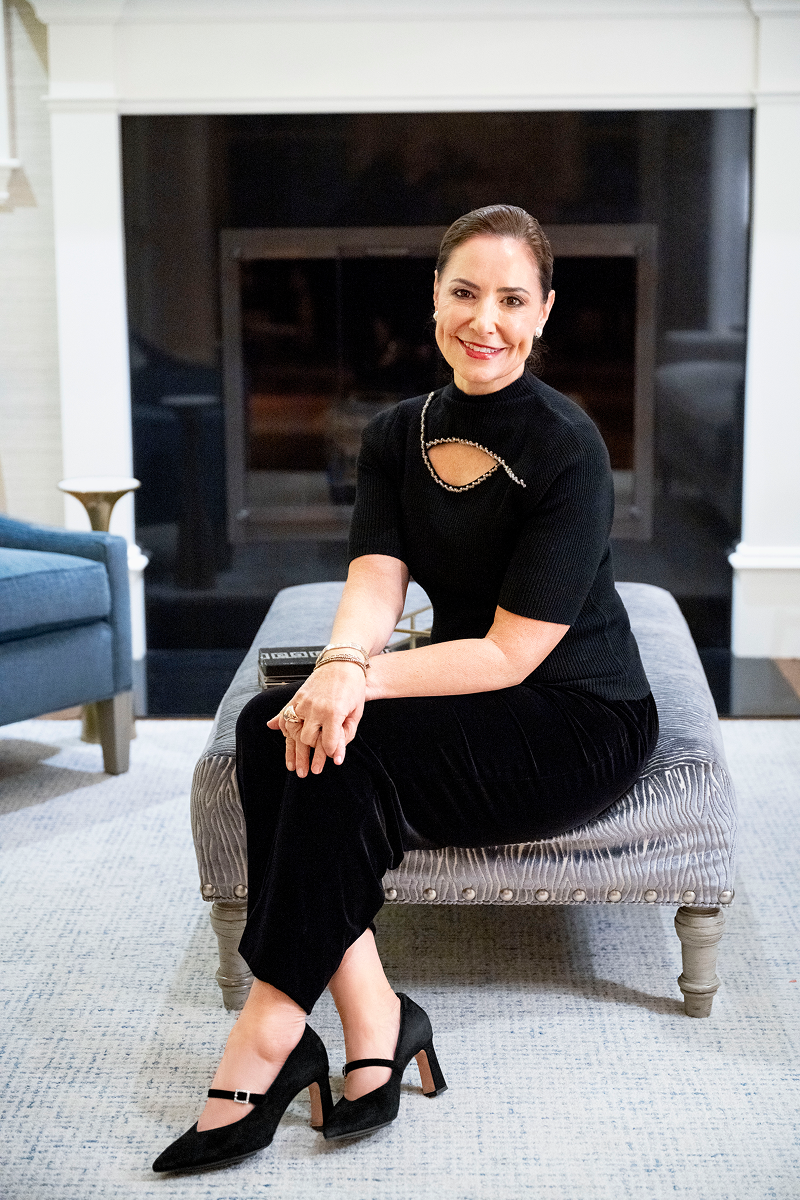
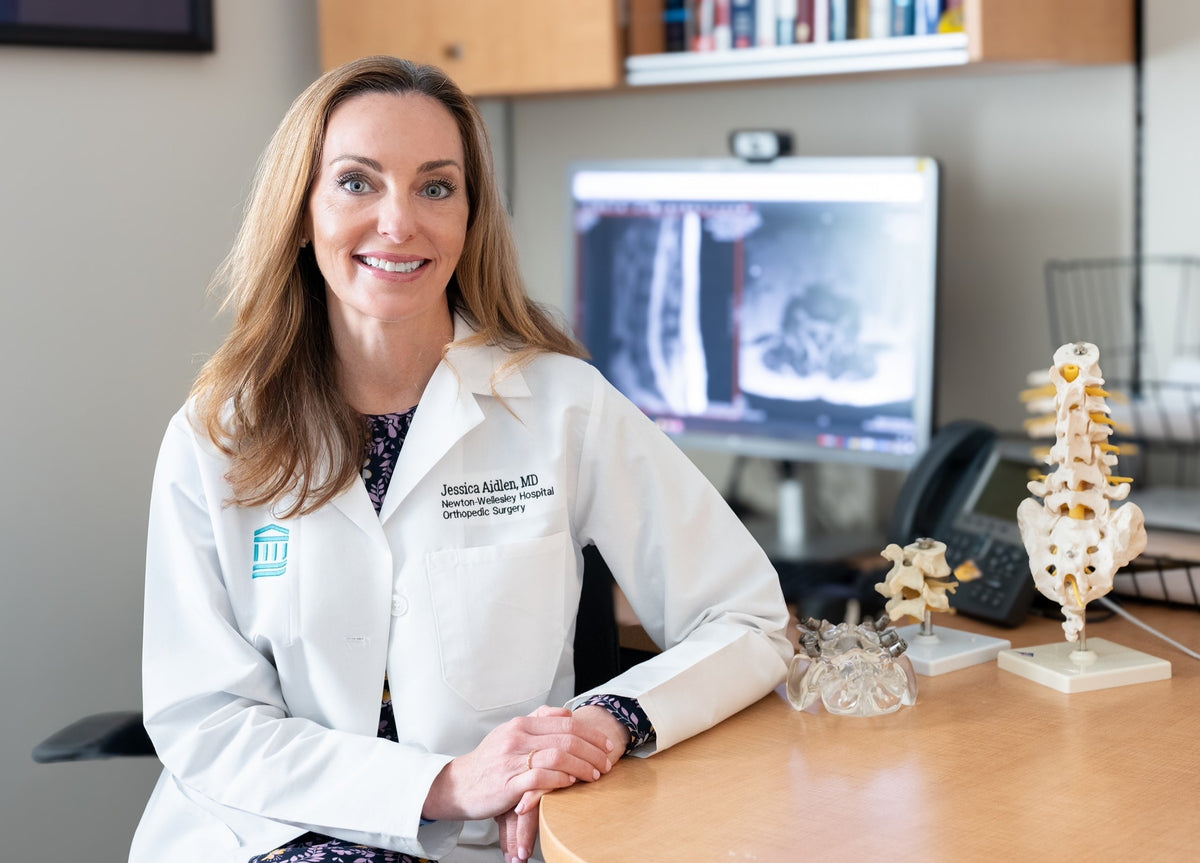
Lisa Roth never planned to become a highly respected, sought after expert witness in financial services. However, a summer job she took on the way to law school reshaped everything— her career, her influence in the industry, and her commitment to ‘just keep rowing’ in light of changing circumstances, personally and professionally.
Today, Lisa splits her time between high-stakes expert witness work and consulting with firms of all sizes across the financial services landscape. She reads tens of thousands of pages of documents for a single case, testifies in front of arbitrators, judges and juries, helps firms navigate regulatory complexity, and still manages to get on the water before sunrise to row in the San Diego Bay.
The Perfect Accident
Lisa’s career began with what she describes as “a total accident.” With a scholarship to law school in hand, a husband in medical school, and two children to support, she was looking for a summer job when she walked past a broker-dealer’s office with a help wanted sign. Investments sound interesting, don’t they?
Industry insiders might raise an eyebrow at that notion. The firm, as she puts it, “was a broker-dealer in transition” Lisa started as the receptionist, answering phones and watching the business from the front row. She noticed things. She had opinions. And she shared them—freely.
Eventually, the CEO turned to her and said essentially, “Get licensed and then pop off.”
She did. She earned her securities licenses, jumped into the work, and during one particularly memorable episode, uncovered a scam running through the firm’s phone system—saving the company tens of thousands of dollars. When she went to give notice at the end of that “fun summer job,” she was offered something else instead: the chance to stay.
By the time she left, Lisa had risen from receptionist to president of the firm.
It wasn’t an easy environment. “It was an edgy company,” she recalls. Regulators scrutinized the CEO, and, by extension, the firm. Instead of shrinking back, Lisa used that pressure as a proving ground. She built long-term relationships with regulators, many of whom she still knows and collaborates with decades later. She also cultivated a network of industry leaders— people like her eventual business partner and the founder of one of the industry’s most recognizable platforms. Those early relationships formed the backbone of the work she does today.

What It Means to Be an Expert Witness
Now, a significant portion of Lisa’s professional life is spent serving as an expert witness in trials and arbitrations, work that she estimates makes up about half her time. The other half is consulting. The two reinforce each other.
Her consulting work keeps her licenses active and her knowledge current. Her expert witness work demands that she translate that real-world experience into clear, grounded testimony for people who may know very little about the industry she’s spent decades navigating.
“What it means to be an expert witness,” she explains, “is that you have to have actual knowledge about what it is you’re talking about—actual knowledge of and experience in how that is translated by clients, regulators, and so on.”
But knowledge alone isn’t enough. You also need a compass.
“I don’t spin my testimony,” she says. “I don’t make things up. I don’t pretend that the facts aren’t the facts.” Her job, as she sees it, is to tell the story of what happened in a way that is accurate, comprehensible, and fair— to all involved.
Behind every hour of testimony are weeks or months of preparation. A typical case will involve reading a plethora of documents: contracts, emails, internal comments, and the often-overlooked footnotes where crucial details tend to hide. There will be depositions. There will be strategy calls. There will be transcripts.
In court, Lisa’s role is intense but precise. She may testify for only a few hours, but that testimony rests on a deep understanding of the parties, the products, the rules, and the real-world context.
Rewriting the Rules for a Hybrid World
Like so many professions, expert witness work was transformed by Zoom. Before, hearings meant travel: early flights, late nights, hotel rooms, long days without phones or internet, and then evenings spent in conference rooms rehashing testimony with counsel. It was grueling, physically and mentally.
Zoom changed the logistics—but not the stakes. Her involvement went far beyond simply adapting; she helped shape the new normal. As part of a FINRA “Zoom Task Force,” she served on a committee that wrote arbitration rules to accommodate virtual hearings—everything from appropriate backgrounds and camera etiquette to the nuances of how arbitrators can manage participants in a digital environment.
Today, many attorneys still prefer in-person hearings, and Lisa understands why. Zoom offers convenience, but it can’t fully replicate the energy of a shared physical space. In person, she can see the panel’s reactions, feel the tension in the room, and adjusts accordingly. Sometimes it’s a raised eyebrow. Sometimes it’s a nod. Sometimes it’s a moment when someone seems distracted during what she knows is crucial testimony. Those small signals help her identify where misunderstandings may have crept in and where her own testimony needs to clarify, connect, or correct.
Consulting in an Industry Transformed by Technology
Parallel to her expert work, Lisa has spent decades as a consultant, advising firms on everything from compliance programs to remote inspections. At one point, she built and sold a technology company, after realizing “consulting with pen and paper” wasn’t going to be enough in a rapidly digitizing industry.
After three decades, she admits she was close to burnout. Many inquiries felt repetitive: another adviser with a “unique” idea that looked very much like everyone else’s. She briefly questioned whether she even needed to maintain her licenses any longer.
Then digital assets arrived. Blockchain moved from buzzword to business reality. Artificial intelligence entered the regulatory conversation in a meaningful way. Suddenly, Lisa’s expertise had a new frontier.
“The nature of what’s going on in the industry gave my consulting a jolt,” she says.
Her expert work remains somewhat backward-looking by necessity; statutes of limitations and case timelines mean she’s often testifying about decisions made years earlier. Consulting, though, is rooted in the present and future.
She’s watching the industry evolve from cycles of “hot” products—limited partnerships, commercial real estate, variable annuities—to new regulatory frameworks like
She believes there is value in using AI to reduce false positives in email and advertising reviews, to conduct research at scale, and to flag potential issues faster than a human alone could. But, she insists, “the human in the loop” remains non-negotiable. Someone with real knowledge, judgment, and a moral compass still has to decide what is valid, what is accurate, and what is fair.
Her work has also followed the broader shift to remote and hybrid operations. Where she once did branch audits in person, she now helps firms build remote auditing programs that extend their reach without losing rigor. Even as more organizations seek to rebuild in-person culture—recognizing the importance of informal mentorship and shared physical space—Lisa’s consulting reflects the reality of a dispersed, digital workforce and the new rhythms of modern compliance.

From Farm Fields to Racing Shells
Despite her incredible professional successes, Lisa’s life is not defined solely by conference rooms and hearing panels. Her athletic story might be the most unexpected chapter in her sole story.
She grew up on a farm in Kutztown, Pennsylvania. It is not the serenity of pastoral fields she remembers, so much as the long, hard days, heavy lifting, and an early familiarity with physical work. “People think of farming as idyllic,” she notes. “It is hard work…There were no school sports. No after-school activities. Just chores and responsibility.”
That shifted years later, on an ordinary day in a California grocery store. Lisa was pushing a cart down an aisle when a woman approached her and asked, “Would you like to join my soccer team?”
“It was such an odd question,” Lisa laughs. “But of course I said yes.”
That spontaneous invitation launched her into a new life as an adult athlete. She played in multiple women’s leagues and tournament teams, traveling to compete. Eventually, though, the physical toll caught up with her. In her final year of competitive soccer, she sustained three concussions. She barely remembers the injuries themselves—but her family does. It was clear something had to give.
On vacation in Slovenia, still mourning the loss of soccer and competitive athletics, her husband pointed to the water, where rowers were gliding past, and suggested a new direction: “You love the water. They frown on contact in rowing. Why don’t you try that?”
Back home in San Diego, Lisa discovered a vibrant rowing community—youth and masters, men and women, weekend warriors and lifelong athletes. At first, she was “the wrong size” for a rower and was put in the coxswain’s seat. She enjoyed the strategy and boat handling, but she wanted to pull an oar herself, so she bought a single scull.
She set a simple, fierce goal: she knew which rower on her team she had to beat to get the coach’s attention. That became her north star. Along the way, she found a doubles partner from Munich, an accomplished former member of the German national team. Together they raced in regattas from Boston to Philadelphia to Munich itself, logging miles and memories that would last a lifetime.
Rowing suits her. It echoes her farm upbringing: early mornings, physical work, and a deep connection to the rhythm of the natural world. She’s often on the water before dawn, watching the sky lighten over San Diego Bay. On certain spring mornings, “bioluminescence turns each stroke into a streak of neon, glowing beneath the surface, and it's beautiful.”

LISA AND HER HUSBAND DAVE HOLD THE AGE-GROUP WORLD RECORD IN THE 12-HOUR RELAY AT THE 6-12-24 HOUR WORLD TIME TRIAL CHAMPIONSHIP IN BORREGO SPRINGS.
Support From the Ground Up With Scarlett Chase
Behind the scenes, another story has been unfolding. Over the years, Lisa has faced a series of challenges that made even the simplest movements painful. She ran half-marathons, competed in the Senior Olympics as a sprinter and triple jumper, and loved the feeling of pushing her body. But gradually, her feet refused to cooperate.
At different points, she wondered if the pain was metatarsalgia, lack of cushioning, an issue with her instep, or her rheumatoid arthritis. In reality, it was a combination of factors. Some days, even walking was difficult.
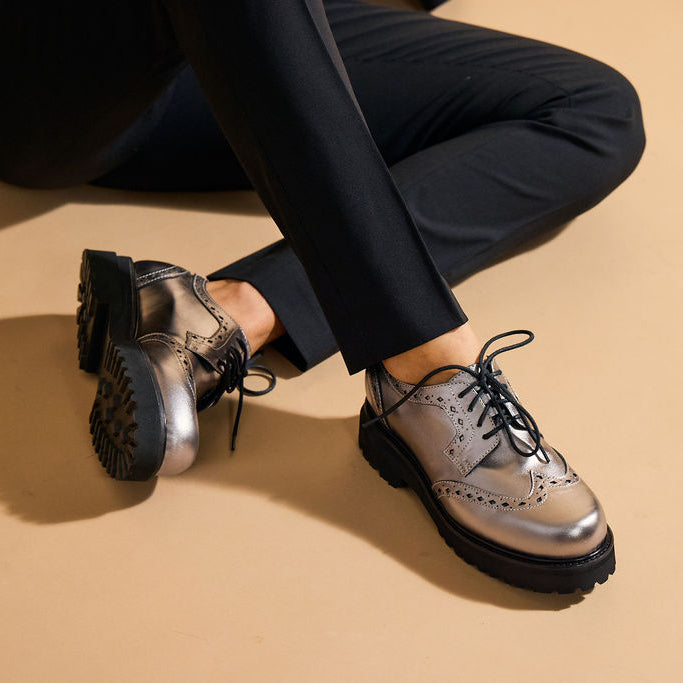
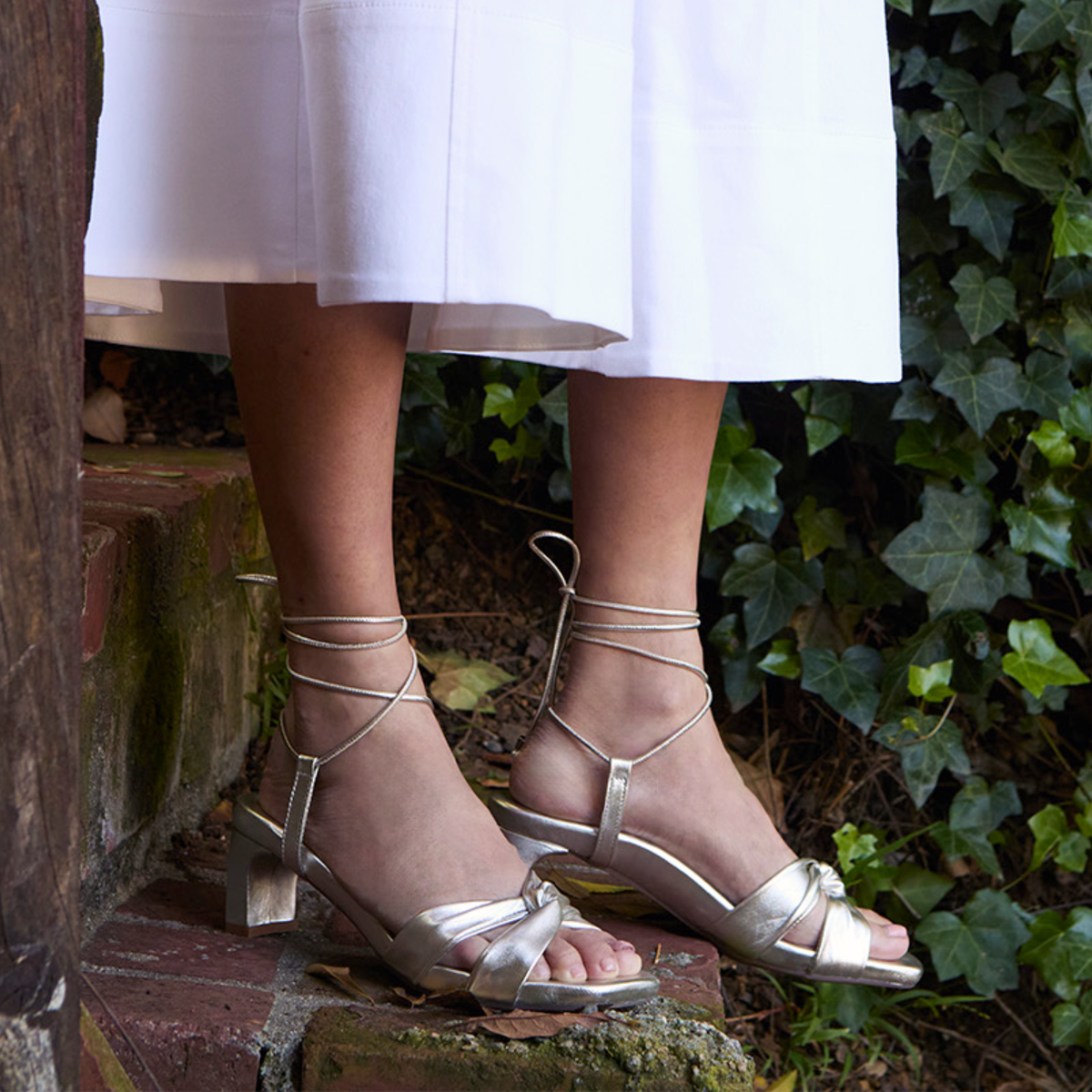
She tried solutions that were functional but far from elegant—like strap-on arch supports that could be worn over the foot. They provided some relief, but there was no disguising them. They were bulky. They showed in most shoes. They dictated her wardrobe, forcing her toward pants or boots when she might have preferred a dress and heels.
Professionally, the implications weighed on her. Speaking on stages, attending conferences, walking long hallways between meeting rooms—these were constants in her career. The idea that she might have to give up beautiful shoes, or resign herself to “dumpy” footwear for important occasions, felt like a loss of both comfort and confidence.
On the evening she first truly experienced Scarlett Chase, Lisa and her husband were meeting their son and his fiancée for dinner and a bit of shopping. It was a special moment—one she wanted to step into feeling like herself.
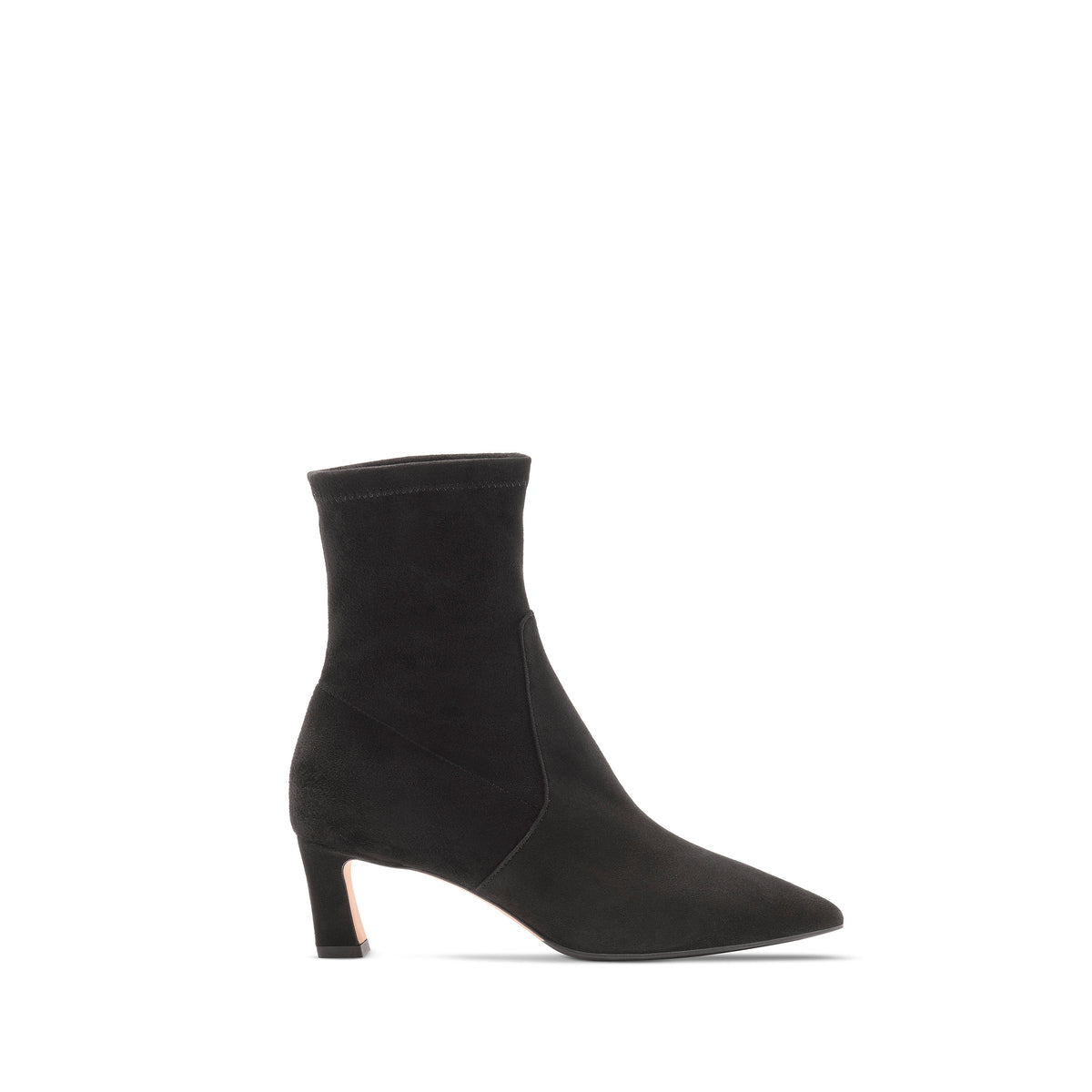
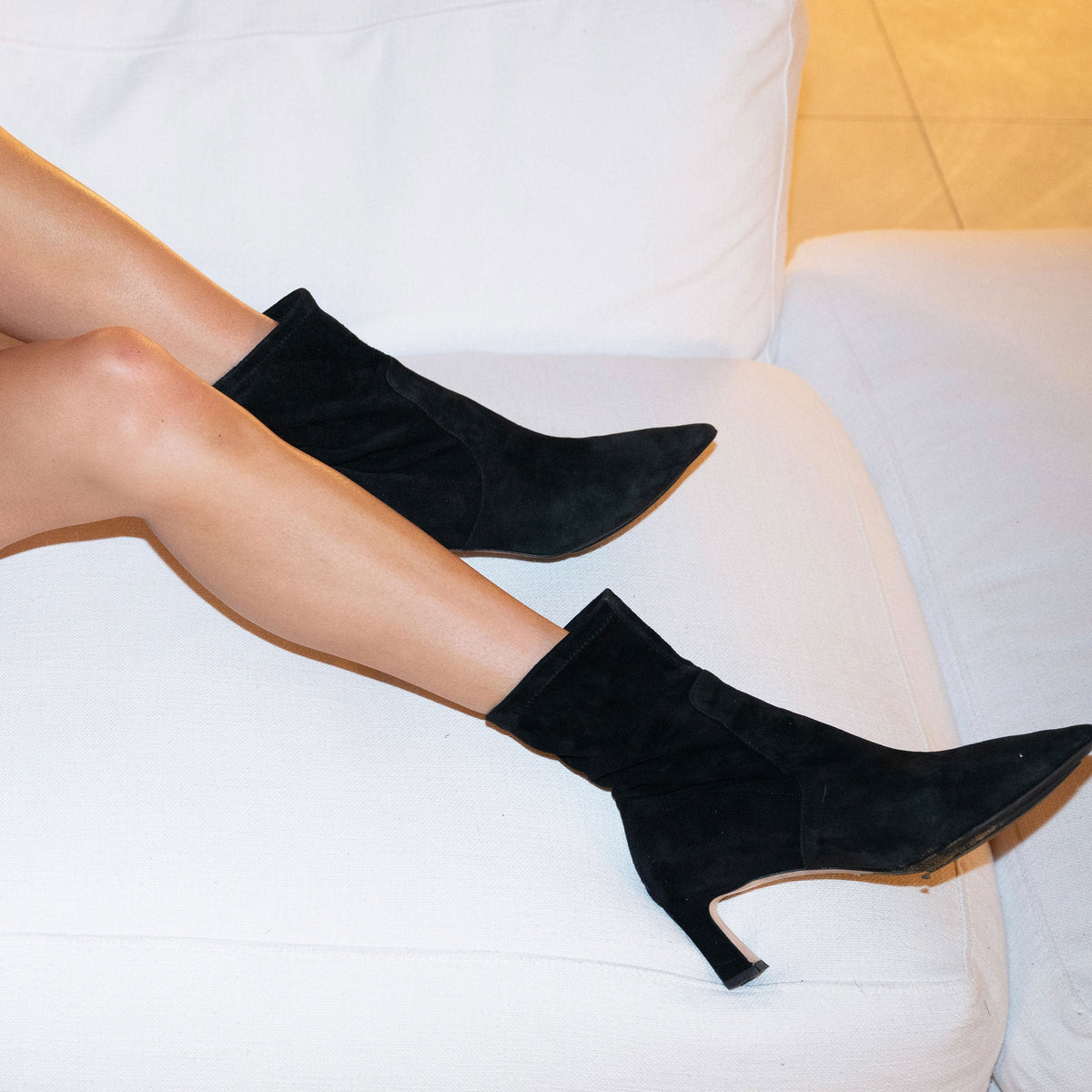
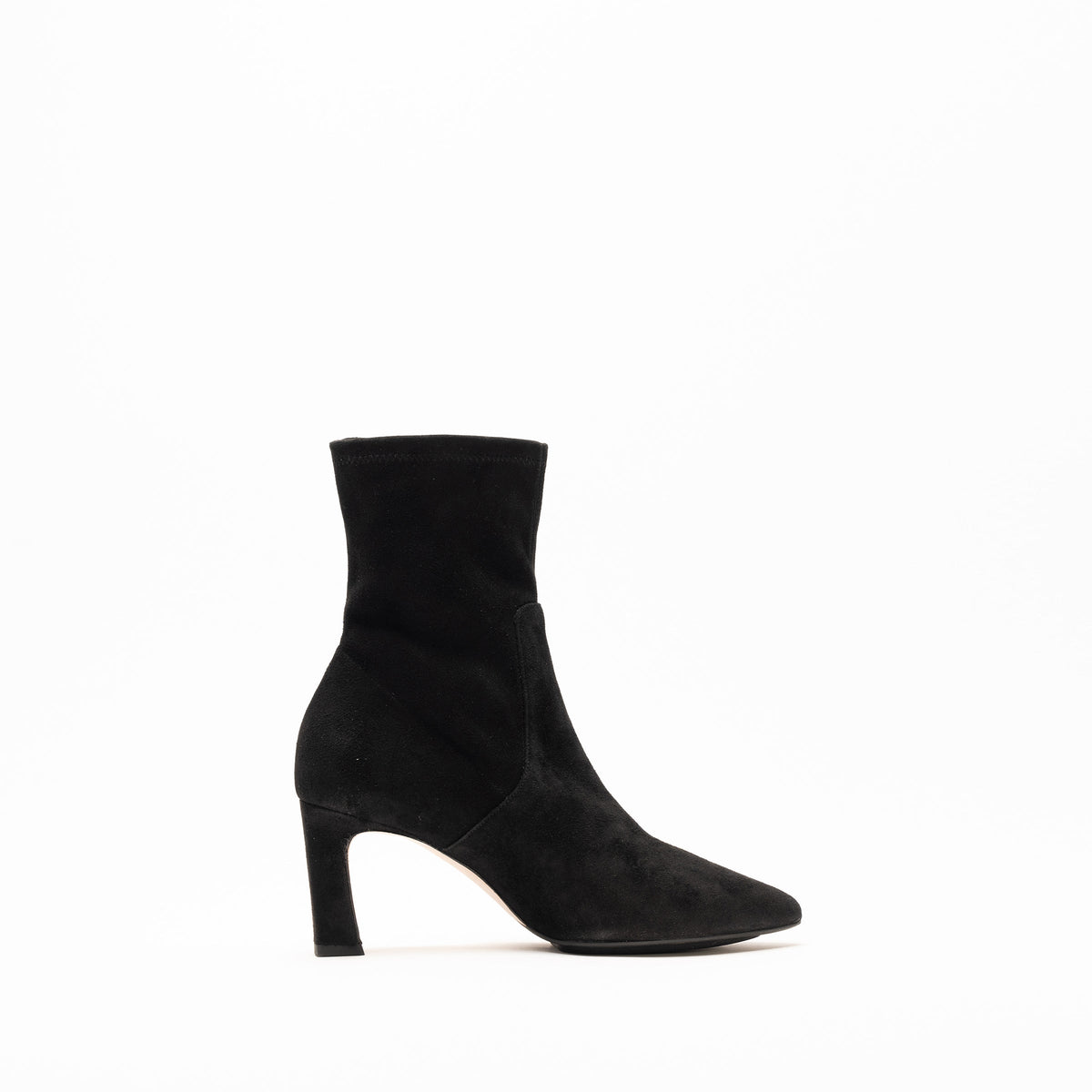
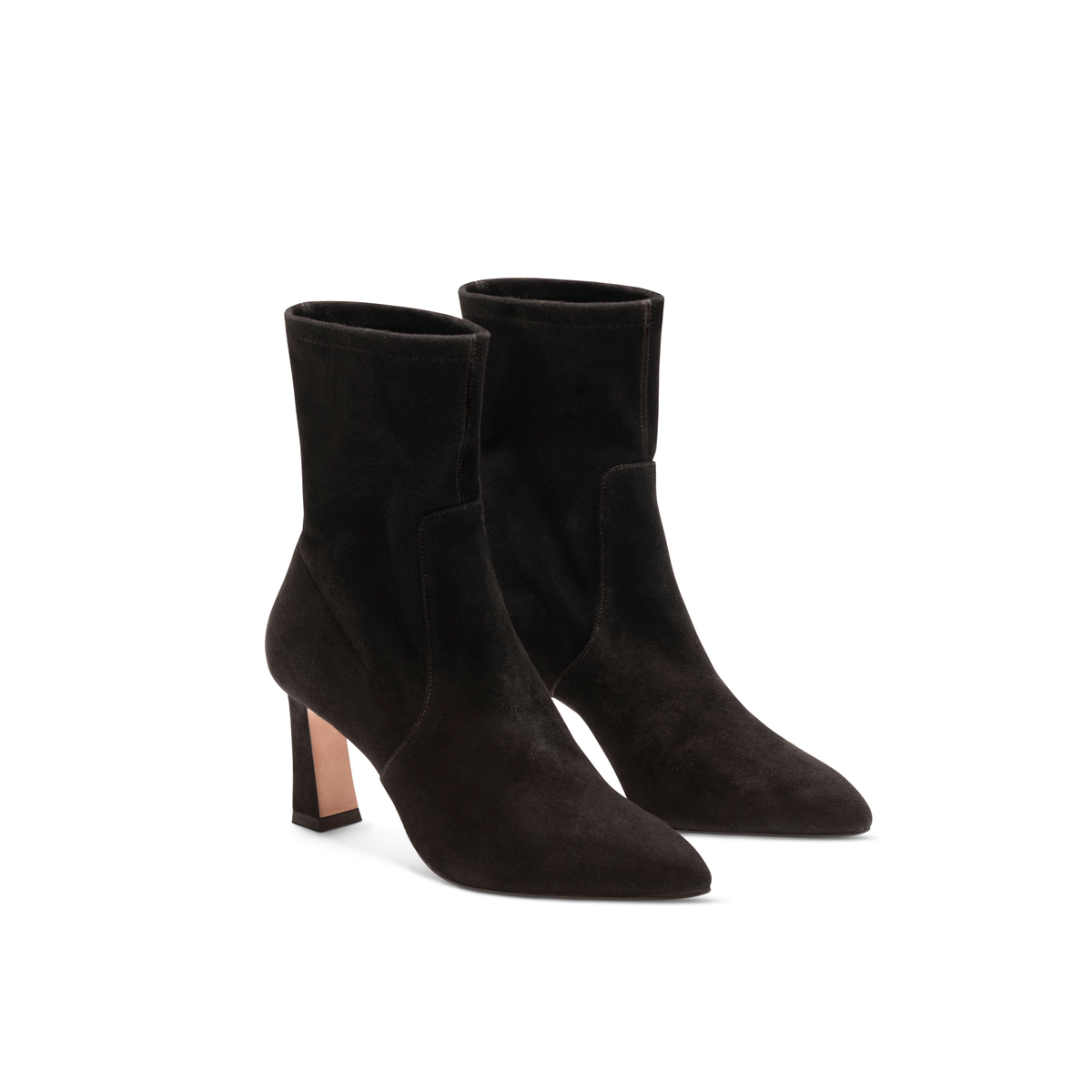
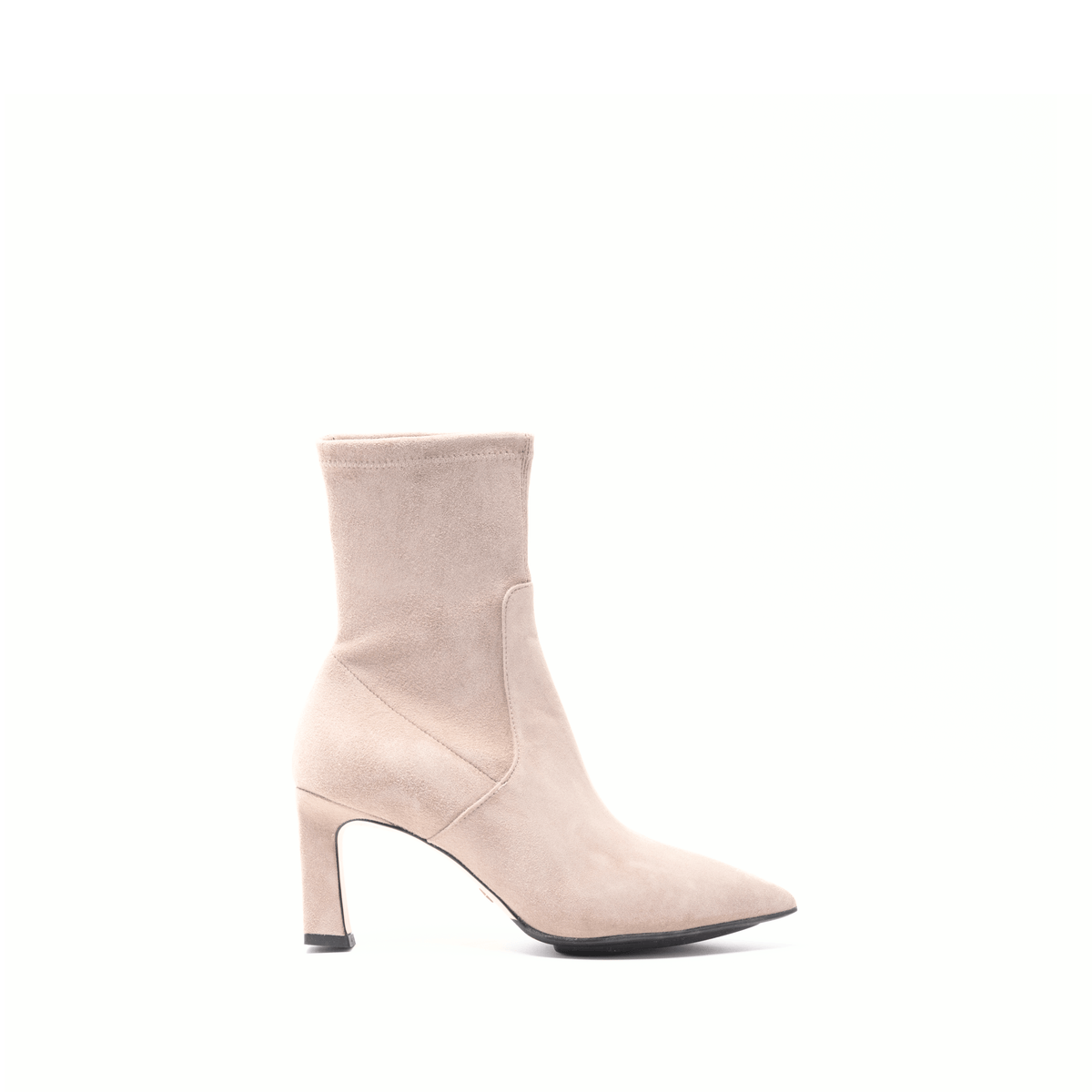
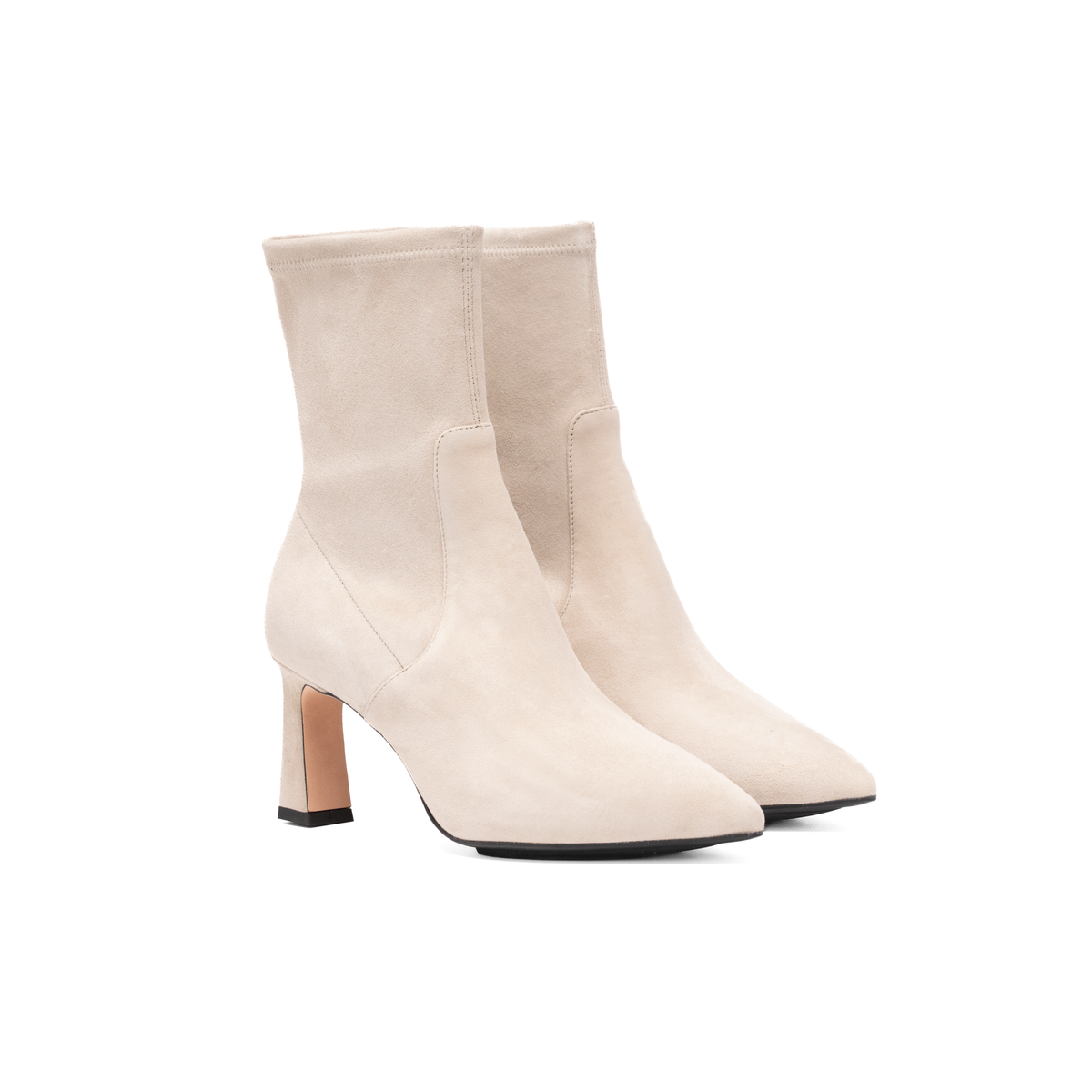
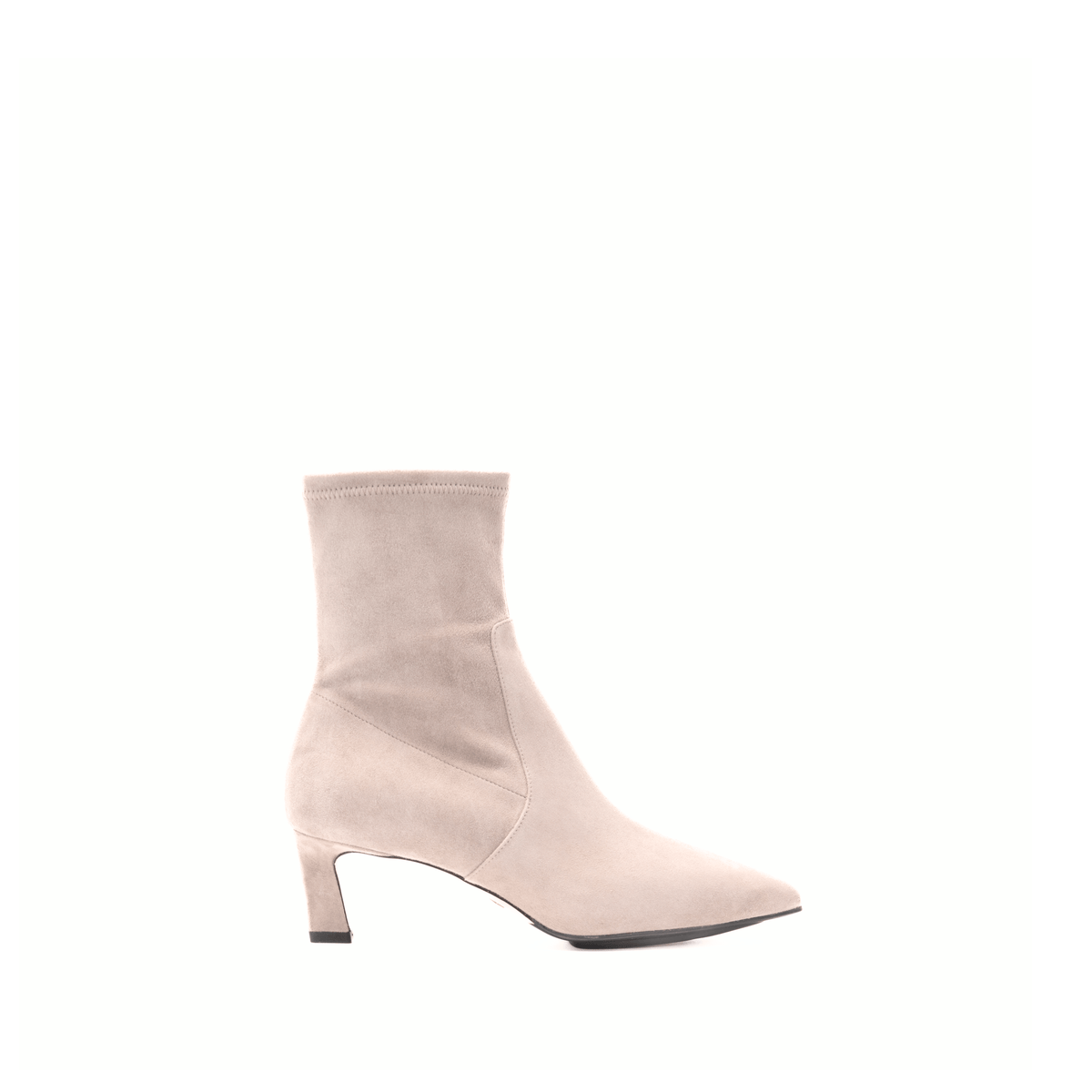
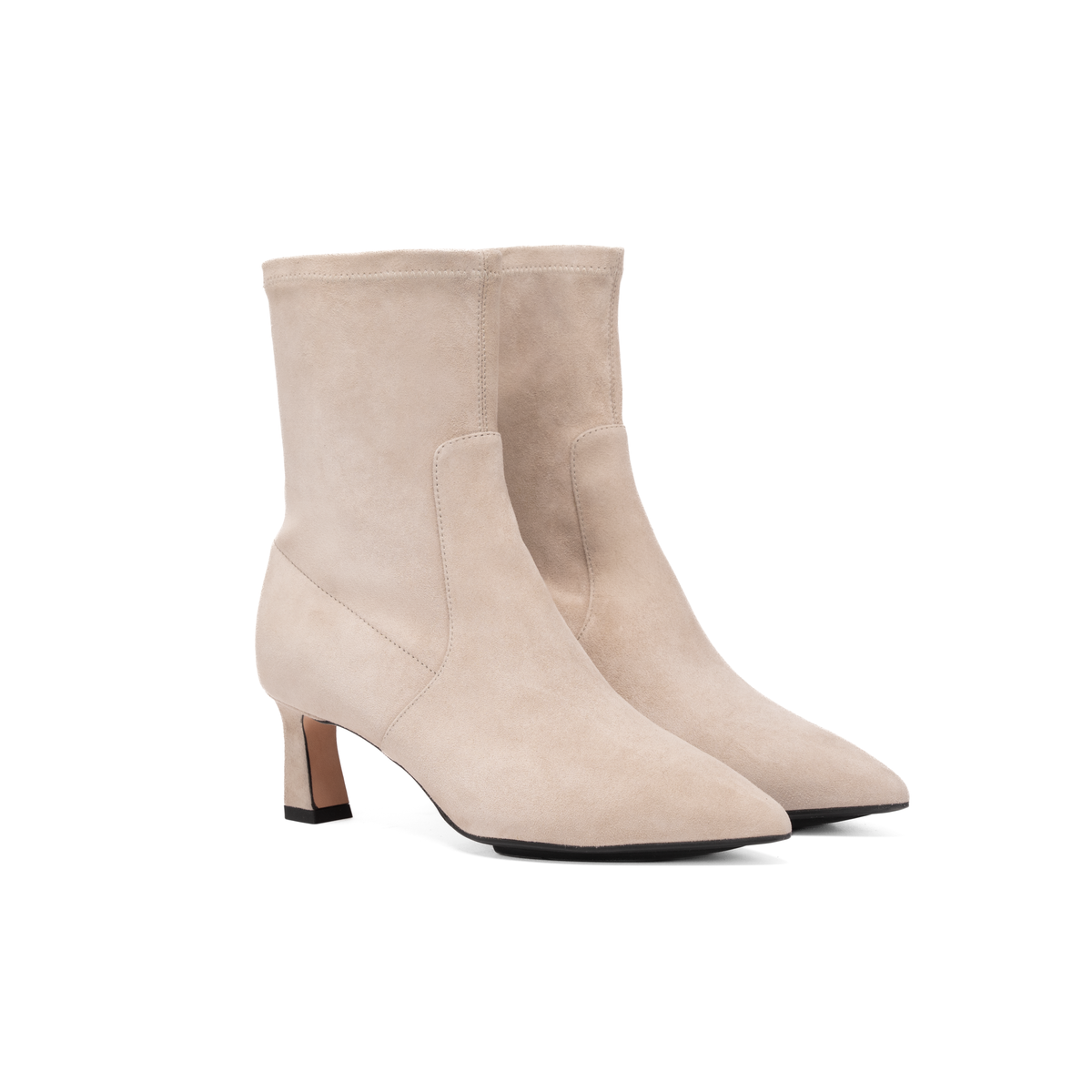
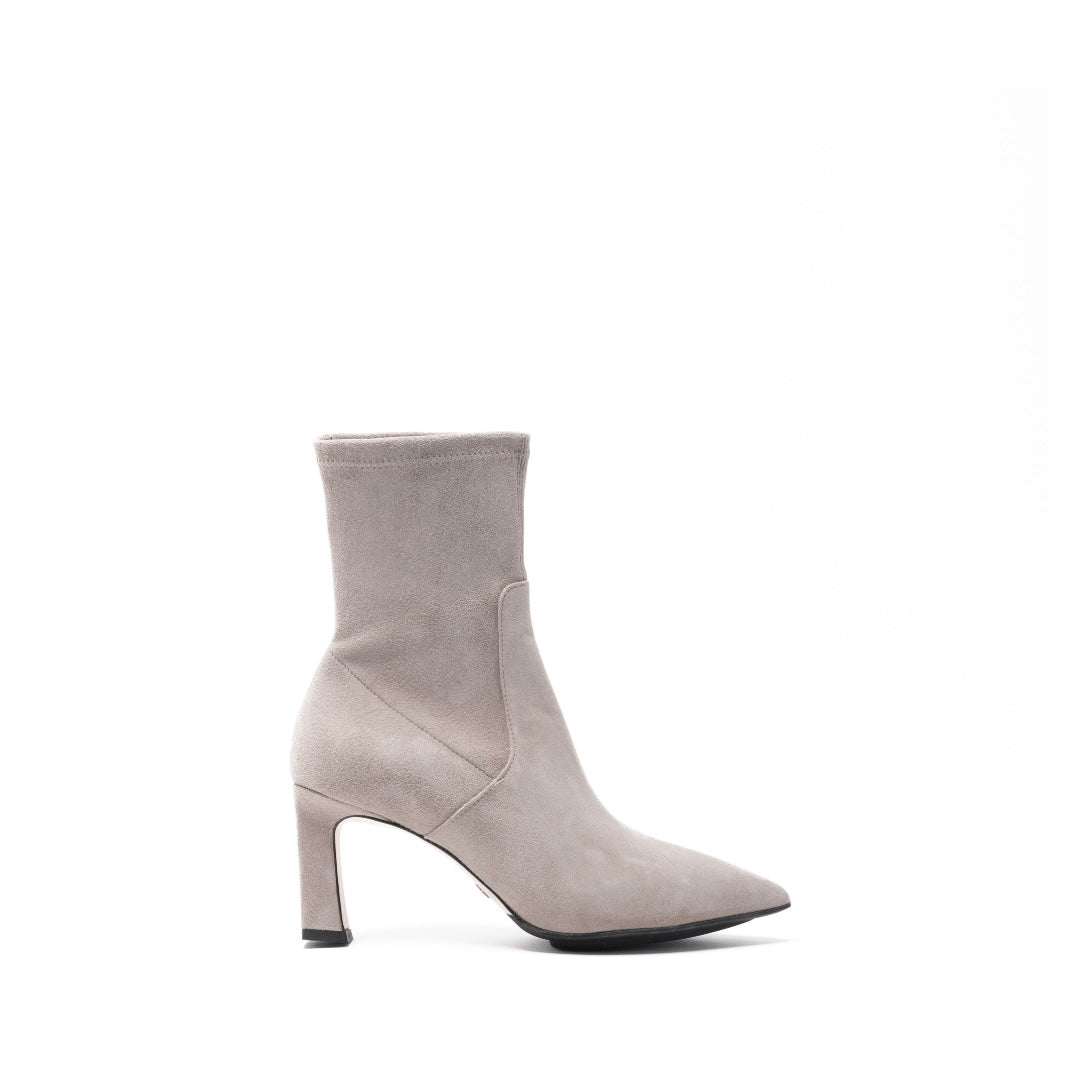
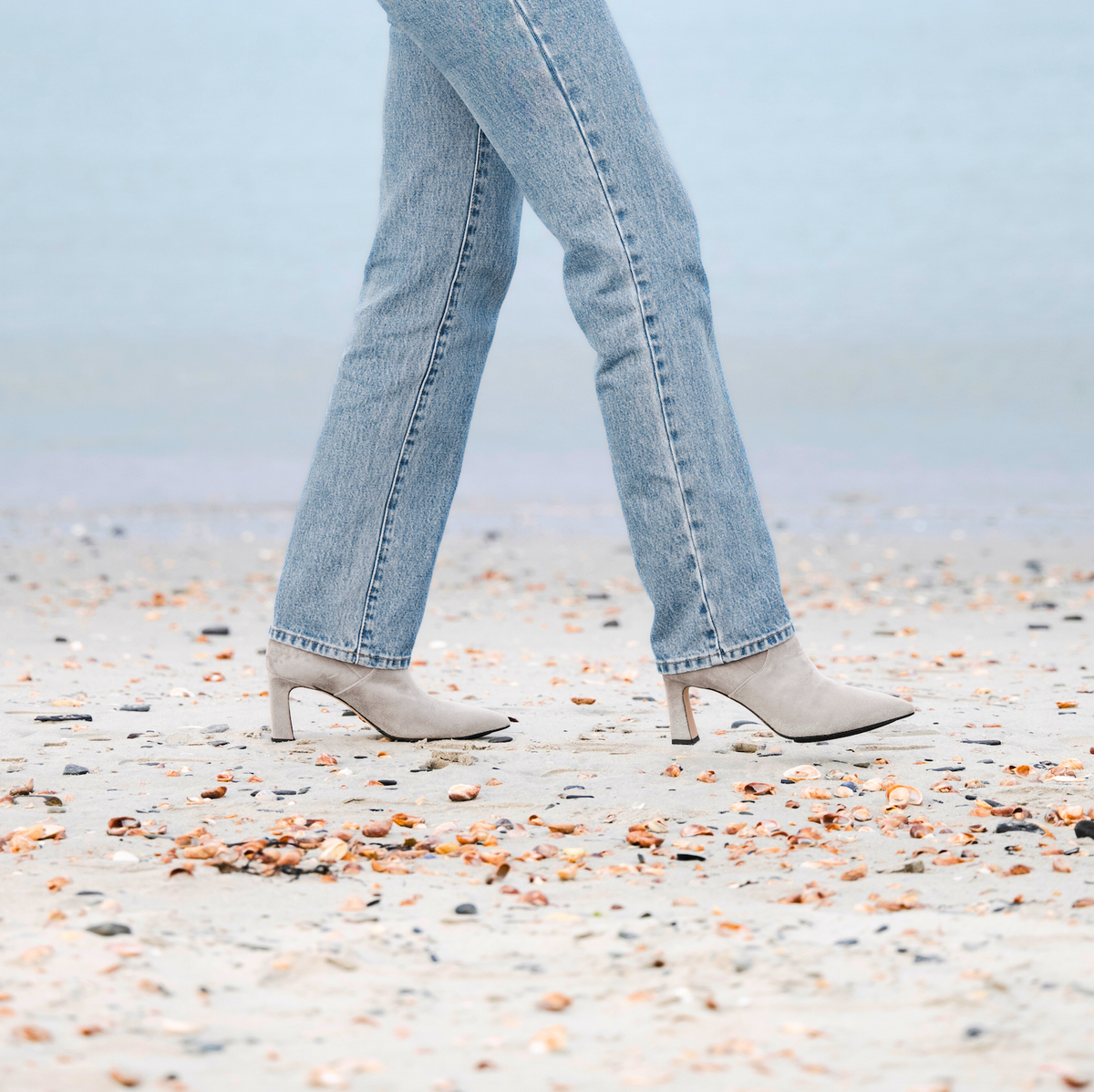
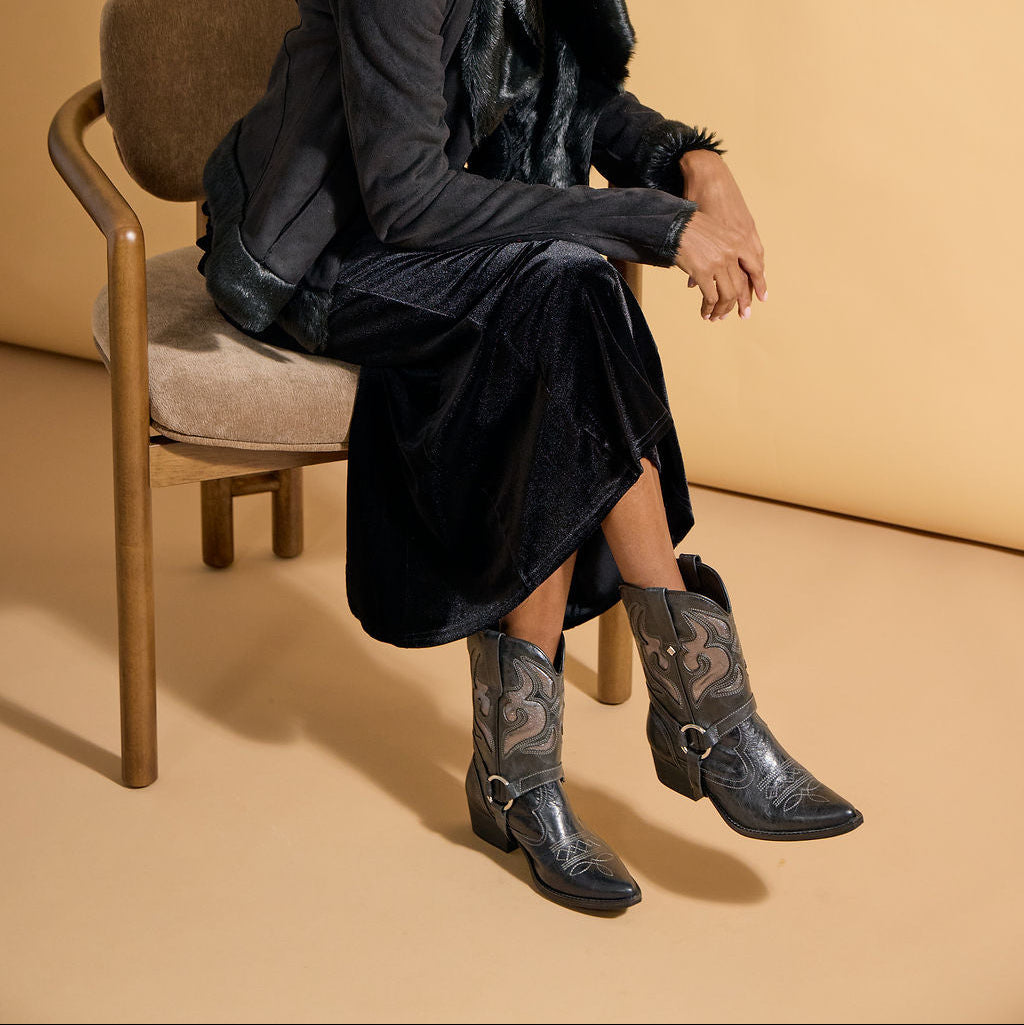
She owned a pair of suede boots from Scarlett Chase, they were beautiful and seasonally perfect. But with her history, heels had become a calculated risk. She made a decision many women with foot pain will recognize: “I’m going to wear them, and I don’t care how much it hurts.”
She put them on, went to dinner, walked around the shops, and returned to the car. Only then did she realize something astonishing. Her feet didn’t hurt. No throbbing. No burn. No familiar ache that would punish her for style-over-sense. The evening had simply worked. She had been present with her family, fully engaged, not silently counting the minutes until she could take off her shoes. At that moment, she was sold.
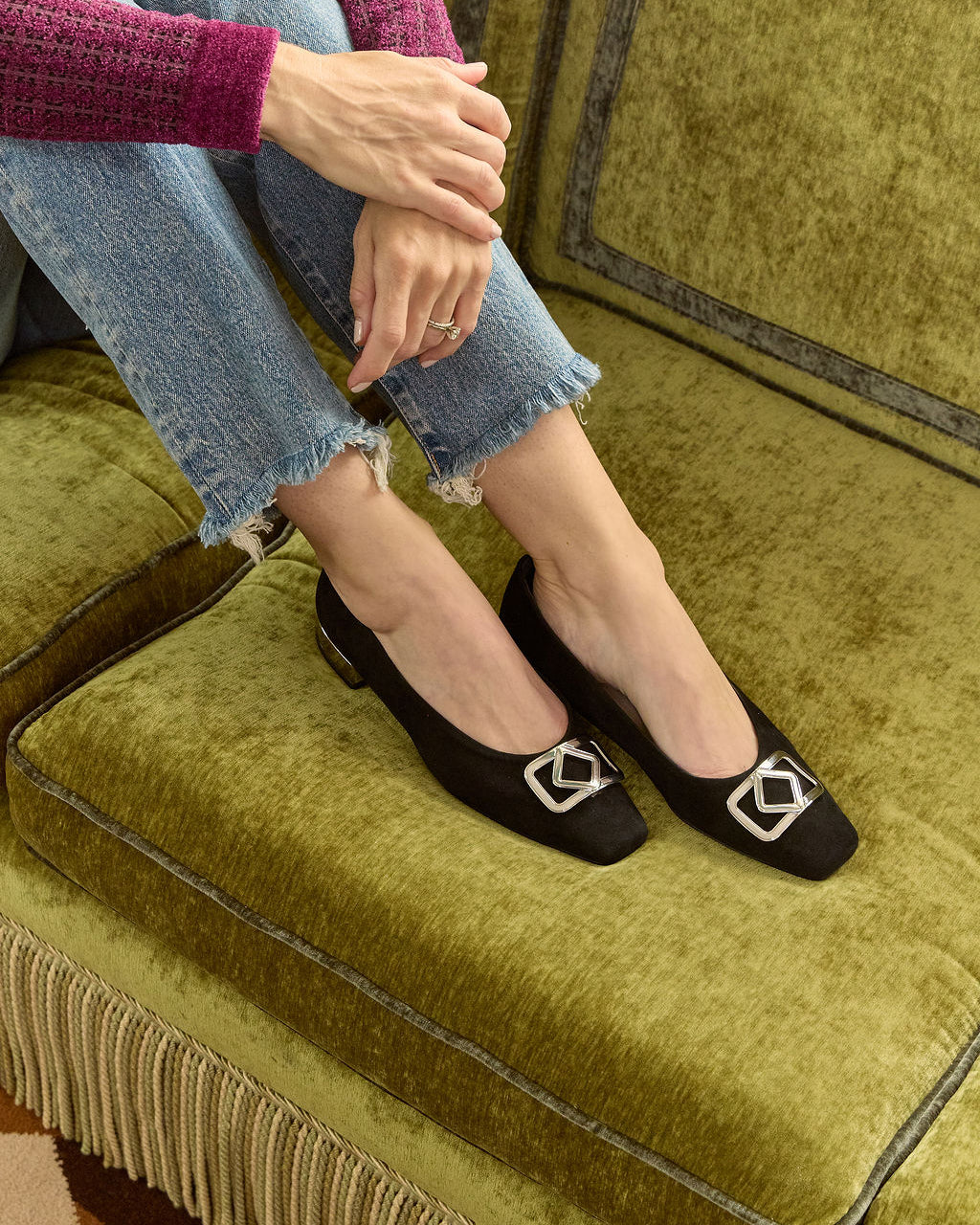
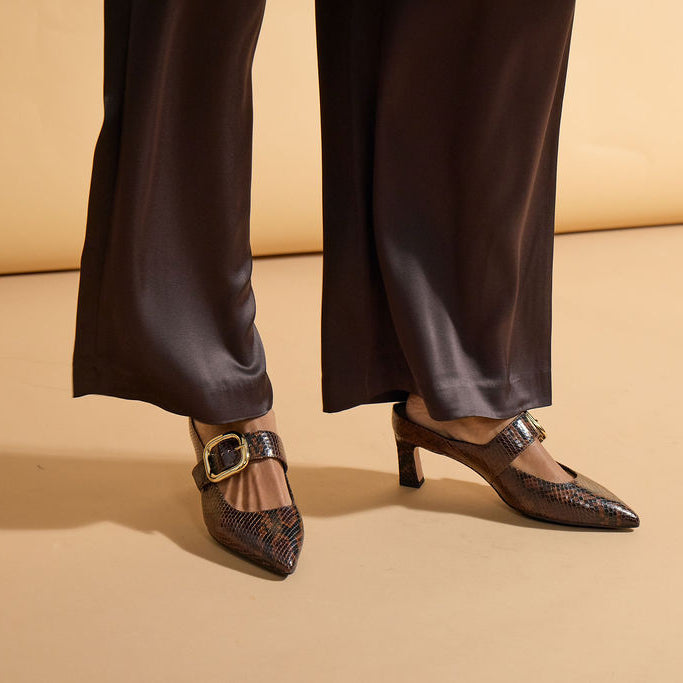
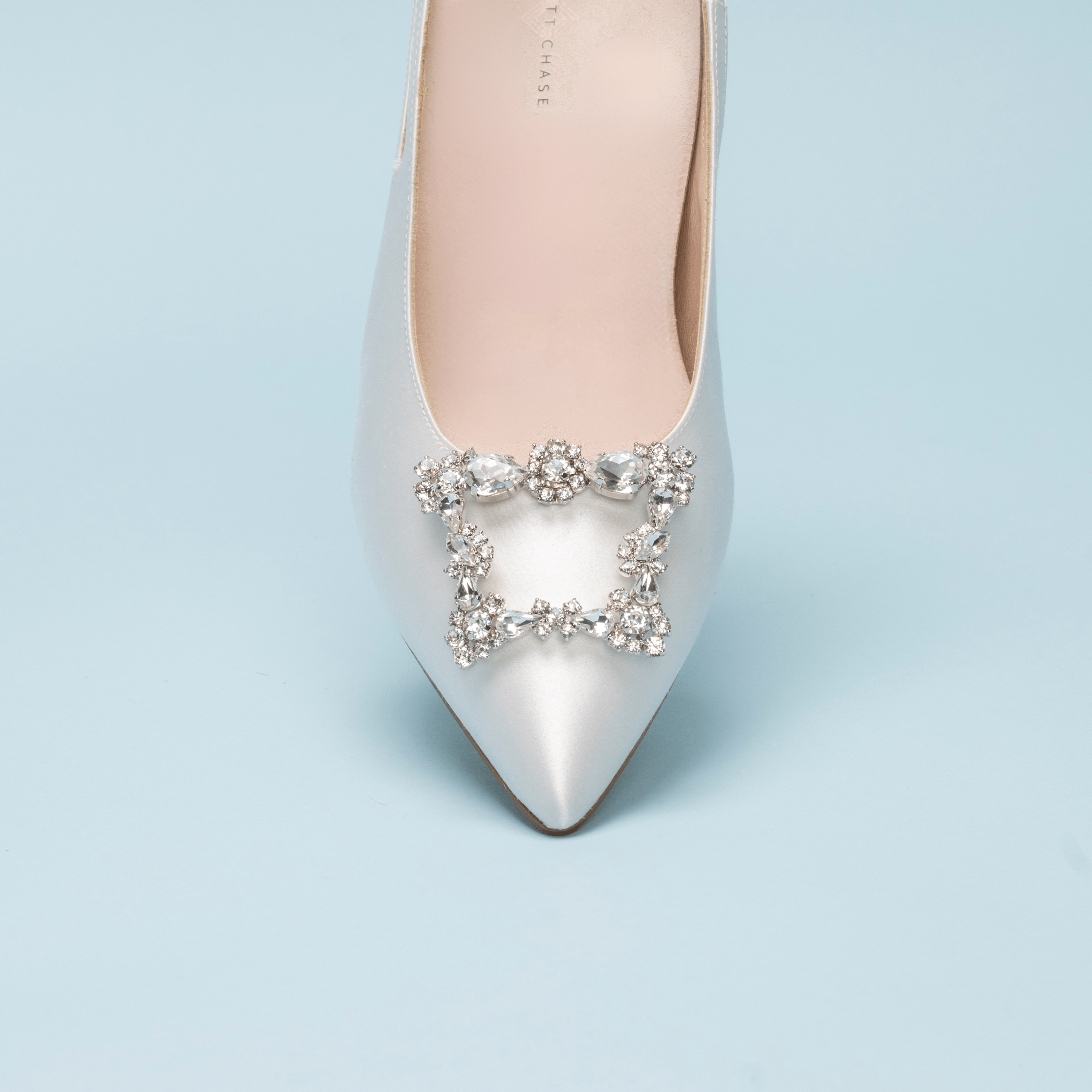
The experience repeated itself in her professional life. When she was invited to speak at a conference on a panel about AI and compliance, she faced a familiar concern. She came equipped with a pair of Scarlett Chase Amore 55 Pumps and, once again, she braced herself for discomfort that never came. She wore the pumps the entire day. They looked elegant on stage. They made sense with her suit. And, most importantly, she wasn’t thinking about her feet at all.
“Yes, I can wear heels,” she realized. “I can wear shoes that are gorgeous, and they’re not going to hurt.” The impact was more than aesthetic. It changed her ability to focus: she could show up fully, addressing complex questions of AI, regulation, and compliance—not ruminating on how much her feet hurt.
Like many women, Lisa eventually discovered that Scarlett Chase’s support extended beyond a single pair. The removable orthotic footbed—designed for women’s shoes, with real arch support and a slim profile—became a quiet hero in her wardrobe.
For a woman whose days might include early-morning rowing, hours of document review, high-stakes testimony, and travel between time zones, that kind of reliable foundation isn’t a luxury. It’s essential.