
Article: The Sole Doctor
The Sole Doctor

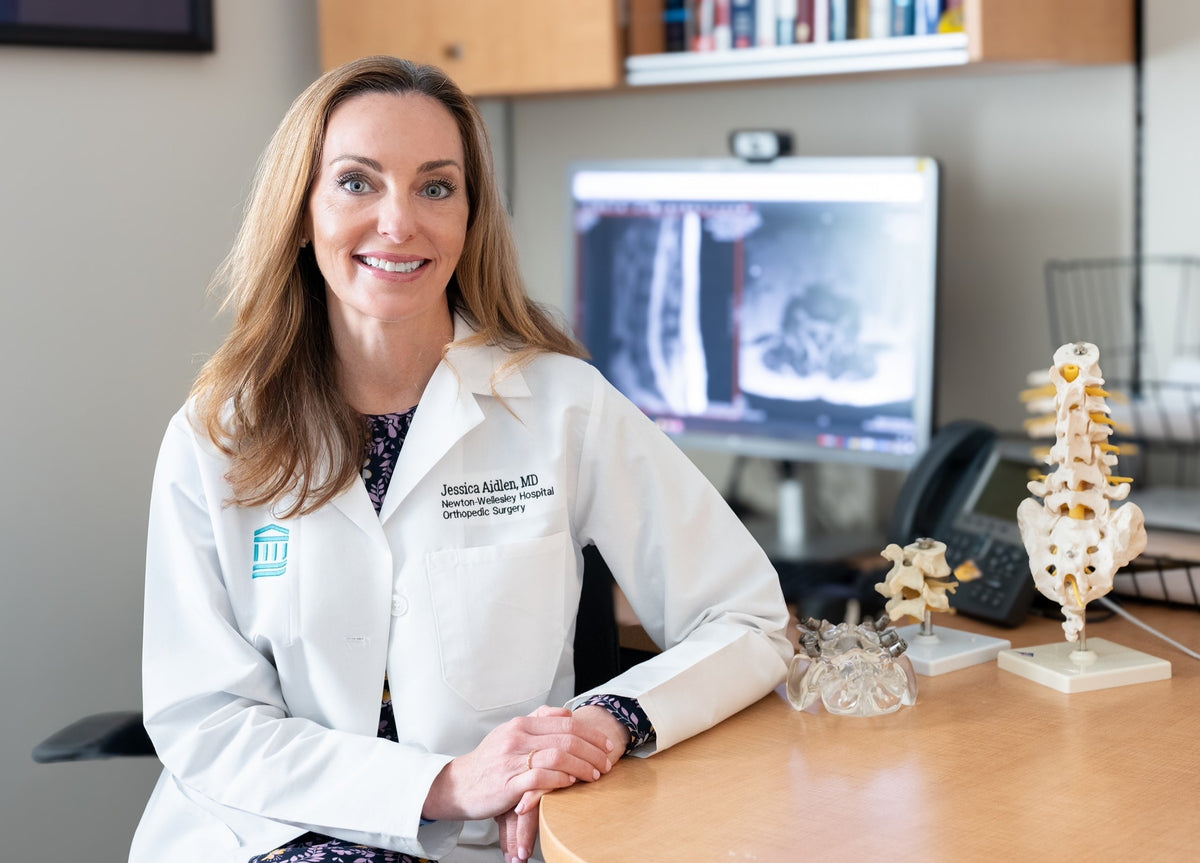
In the world of foot health, few professionals understand the daily realities of modern women as intimately as Saylee Tulpule, DPM. With more than fifteen years of clinical experience serving patients as a podiatrist throughout Washington D.C. and Maryland, she has dedicated her career to helping people move more comfortably and confidently through life.
A board certified foot and ankle surgeon, and the creator behind @thesoledoctor, Dr. Tulpule created a platform to address the problem she encounters most in practice: the widespread belief that women must choose between shoes that look beautiful and shoes that support their bodies. Through thoughtful product reviews and educational content, she helps consumers cut through confusing marketing claims and understand what truly matters in a well-designed shoe.
Her philosophy is refreshingly pragmatic. Footwear should work with the body, not against it. It should support posture, improve comfort, and enable women to show up as they wish to be seen without compromising their health.
In a conversation with Scarlett Chase Founder Sandra Powers Murphy, Dr. Tulpule shared the journey that led her to podiatry, her perspective on supportive footwear, and why elegant shoes can and should be part of a healthy lifestyle.
Dr. Tulpule always knew she wanted to become a physician. The path to podiatry, however, came unexpectedly. While she was a student at Arizona State University, her mother developed plantar fasciitis. Around the same time, a podiatrist visited one of her college courses to discuss the specialty. The timing felt serendipitous. After shadowing her mother's doctor over the summer, she discovered a field that combined medicine, surgery, biomechanics, and whole-body health.
What appealed to her most was podiatry's remarkable breadth. Podiatrists treat everything from skin and nails to structural deformities, sports injuries, and complex systemic conditions. The training reflects that scope: four years of medical school followed by a three-year surgical residency.

Today, practicing in Downtown DC and Silver Spring, MD, Dr. Tulpule cares for professionals whose days often involve long commutes, extensive walking, and a polished dress code. In her clinic, she sees firsthand how footwear choices affect not only the feet but also the knees, hips, spine, and overall quality of life.
The pandemic temporarily shifted attention away from dress shoes as many people worked from home barefoot or in slippers. Yet it also highlighted the importance of supportive footwear, particularly as plantar fasciitis and overuse injuries became increasingly common. As offices reopened and city life resumed, patients returned with a familiar challenge: how to dress professionally without enduring pain.
“They still want to look the part,” Dr. Tulpule explains, “but they need better choices on how to wear something stylish and comfortable.”
That practical perspective resonates deeply with her patients, many of whom are unwilling to abandon their personal style simply because conventional options have failed them.
Dr. Tulpule discovered Scarlett Chase through Instagram and was intrigued by the concept of luxury heels engineered with orthotic-grade support. She tested the Amore 55 Pump during a television interview in Philadelphia, deliberately walking several city blocks to evaluate whether the shoes could withstand a demanding day on her feet.
The result exceeded her expectations.

“I was obsessed with your pumps,” she recalled. “I walked city blocks and had zero pain.”
Since then, she has recommended Scarlett Chase to patients seeking elegant footwear for weddings, conferences, and important professional occasions.
One of the most revealing parts of Dr. Tulpule's practice is how often she treats problems caused not by high heels, but by completely flat shoes. Many consumers assume flats are inherently healthier, yet she frequently sees the opposite. Shoes that bend in half and offer no meaningful structure can place tremendous strain on the plantar fascia and Achilles tendon.
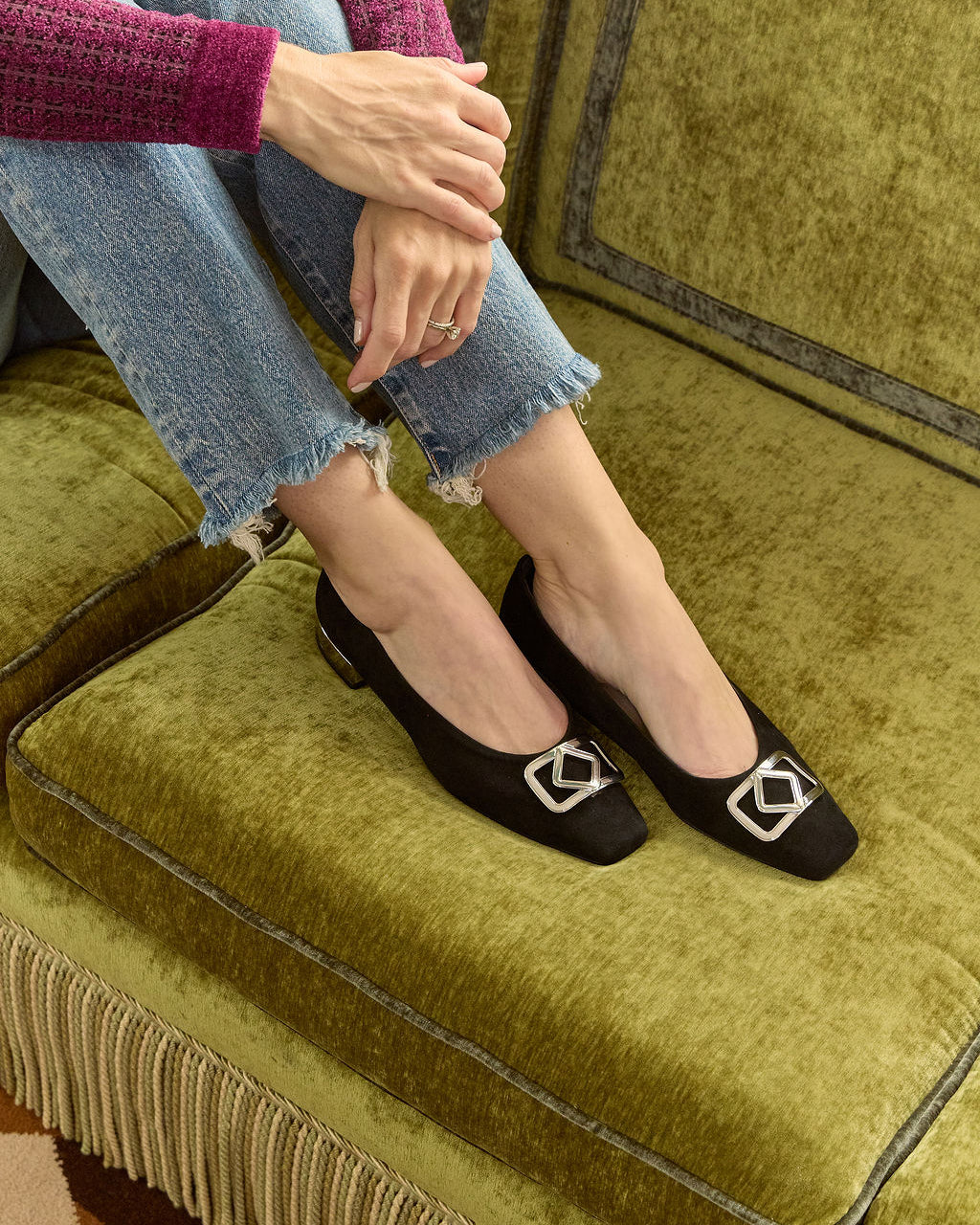
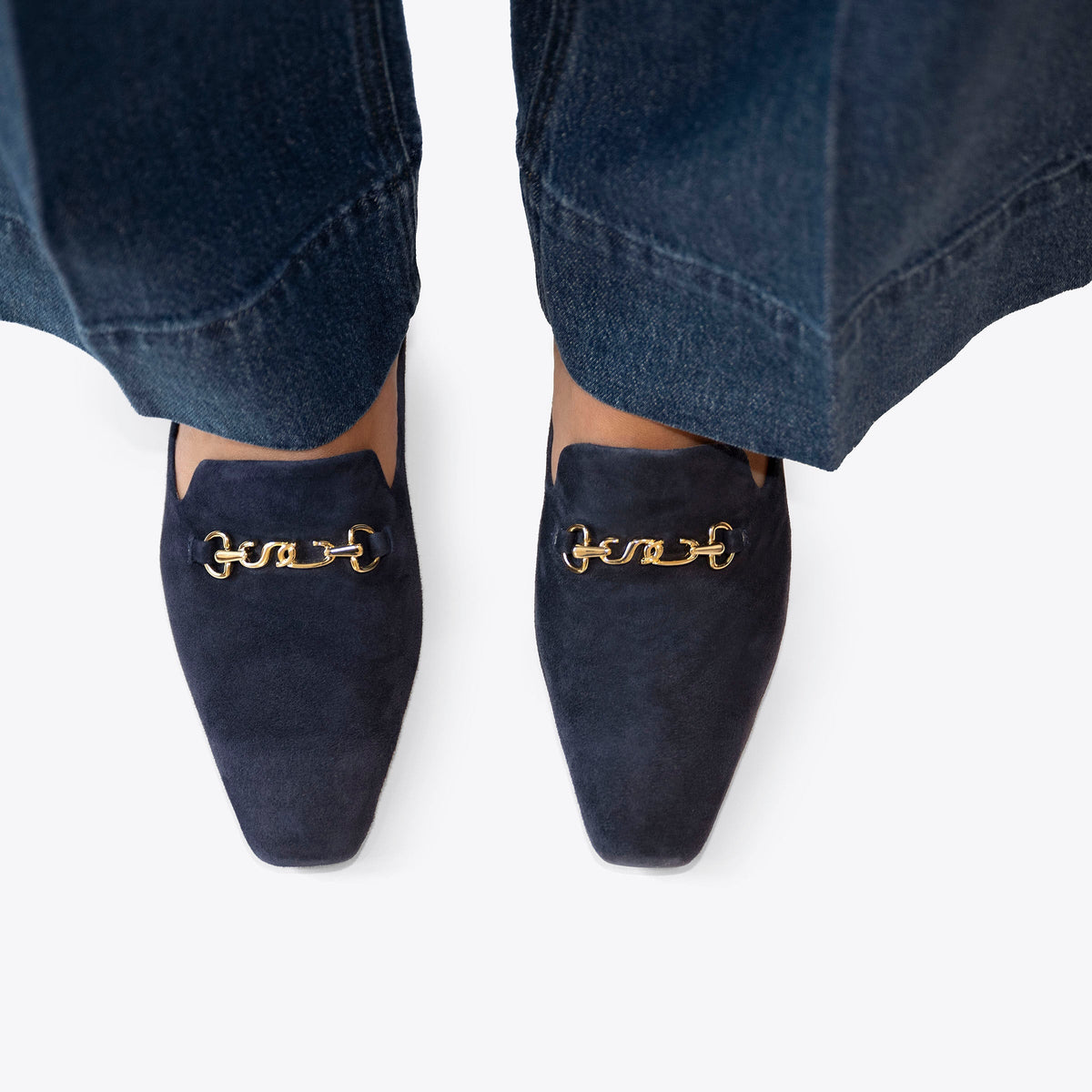
Her advice is simple: a slight lift is beneficial. Even a modest heel can reduce tension on soft tissues, support the midfoot, and improve walking mechanics. This principle explains why she often recommends a low block heel or a ballet flat with thoughtfully engineered elevation rather than a shoe that sits completely flat against the ground.
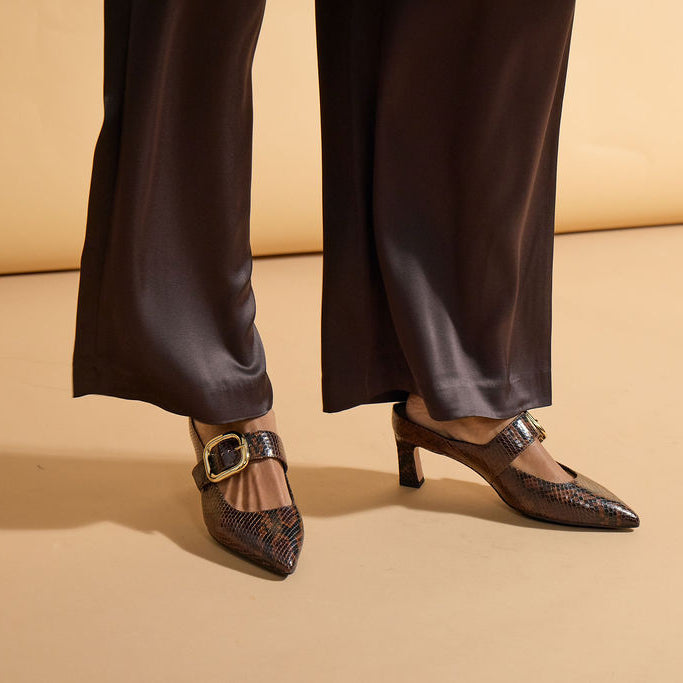
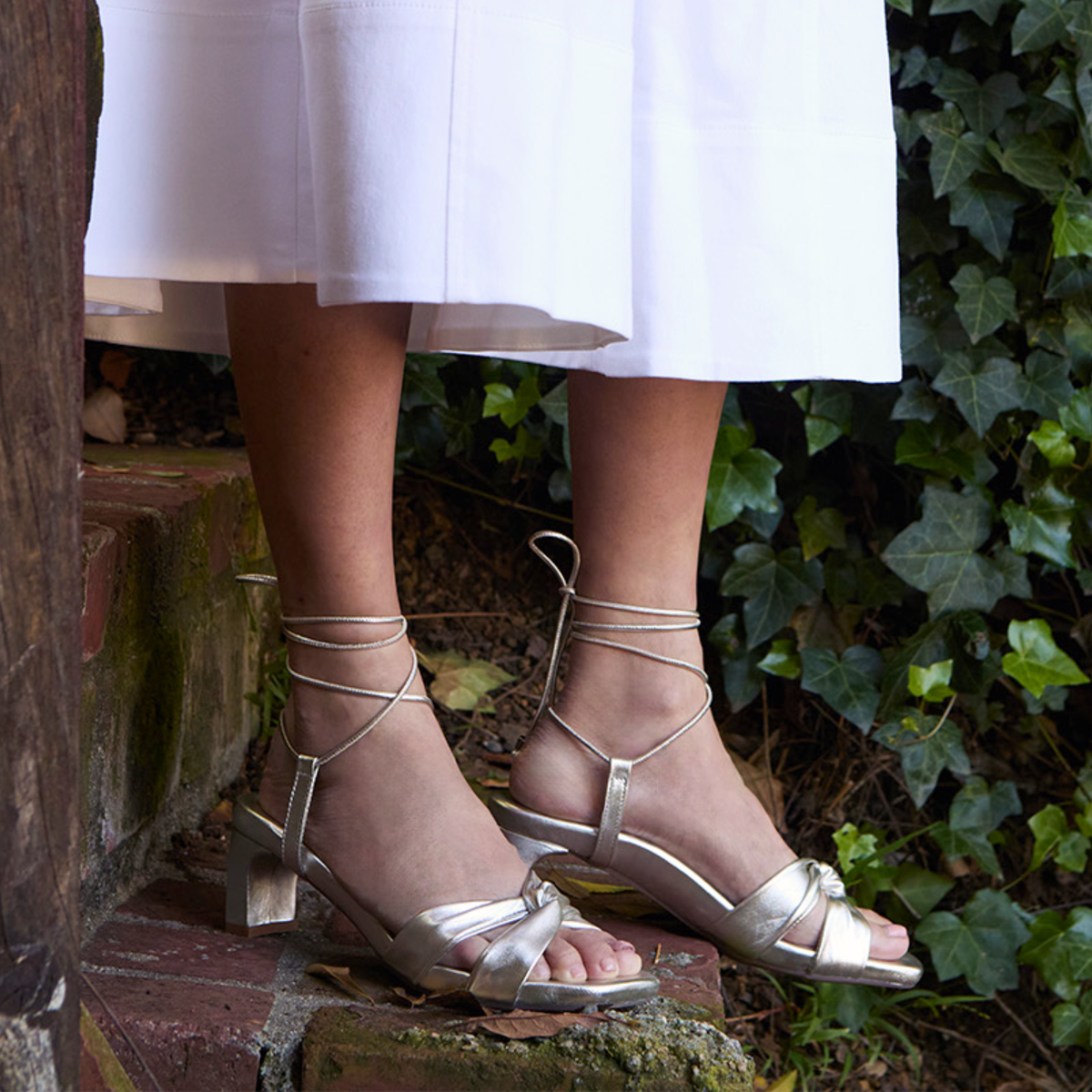
The same measured approach applies to heels. Dr. Tulpule generally recommends keeping heel heights at three inches or less, with a strong preference for stable block heels that distribute pressure more evenly and make walking easier.
Her perspective rejects the false choice between towering stilettos and shapeless orthopedic footwear. Instead, she advocates for biomechanically intelligent design—shoes that respect the structure of the foot while allowing women to express themselves with confidence.
Orthotics are another important part of the conversation, particularly because they reveal a broader misunderstanding about what support actually means. Many consumers assume that if a shoe feels cushioned, it must also be supportive. In reality, softness alone does little to stabilize the foot or improve biomechanics.
Dr. Tulpule often reminds patients that even many premium athletic shoes rely on relatively minimal stock inserts, with the expectation that those who need additional support will add their own orthotics. This is one reason running stores devote entire walls to aftermarket insoles. Yet for many women, especially those seeking refined dress shoes, traditional orthotics can present a new set of challenges. Custom devices are expensive, insurance coverage is inconsistent, and even slim dress orthotics can be difficult to fit into elegant footwear.
At the same time, many over-the-counter options are overly soft and flexible, offering little to no structural support.
“Your body weight is on your feet,” Dr. Tulpule explains. “It makes zero sense to use something that’s cushioned but overly flexible.”
Her point underscores a central principle of her practice: support should not be treated as an accessory. It should be thoughtfully integrated into the design of the shoe itself, so that the foot is properly aligned and supported from the moment you step in.
At Scarlett Chase, that belief has guided our mission from the very beginning. We are honored to have earned Dr. Tulpule's trust and grateful for the work she does to help women understand that the right shoes can do far more than complete an outfit. They can support the body, elevate confidence, and carry us comfortably through every step of the Runway of Life™.
Learn more about Dr. Tupule at thesoledoctorusa.com and follow her social media @thesoledoctor.